All NewsEducationTV
Equities & FundsCrypto & Digital AssetsAI & TechnologyBusiness & CorporateUS Politics & PolicyGeopolitics & Global RiskMacro, Rates & FXCommodities & EnergyEuropean Politics & MarketsAsia-PacificReal Estate & Property
All NewsHome
← Back to Geopolitics & Global Risk

Iran claims US 'forced' into ceasefire, denies seeking negotiations

Created at 24 Aug · 6:36 AM1 source↑ Market-relevant
IN SHORT

Senior Iranian officials, including Hossein Taeb and Abdul Majid Hakeem Ilahi, stated that the US was compelled to seek a ceasefire due to its inability to sustain the conflict and potential further defeats. They asserted that Iran did not weaken and ask for negotiations, but rather the US initiated them under duress.

Who's Involved

Hossein Taeb
head of Iran's Basij paramilitary unit
Abdul Majid Hakeem Ilahi
Iranian Supreme Leader's representative in India
Iran claims US 'forced' into ceasefire, denies seeking negotiations

↳ Why This Matters

These statements from senior Iranian officials frame the ongoing conflict and ceasefire negotiations from Iran's perspective, asserting a position of strength and attributing the US's actions to military and political pressure. This narrative influences regional diplomacy and international perceptions of the conflict's dynamics.

Key facts

  • Iran's Basij paramilitary unit head, Hossein Taeb, claimed the US was 'forced' into seeking a ceasefire.
  • Taeb stated Iran did not ask for negotiations but that the US violated a prior document and initiated talks due to inability to continue.
  • Abdul Majid Hakeem Ilahi, Iran's Supreme Leader representative in India, asserted the US was compelled to announce a ceasefire due to potential defeat.
  • Ilahi indicated that peace would be contingent on Iran's terms being accepted.
  • Ilahi denied Iran's pursuit of nuclear weapons, citing religious prohibitions.

Senior Iranian officials have asserted that the United States was compelled to seek a ceasefire in the ongoing conflict, rather than initiating negotiations from a position of strength. Hossein Taeb, head of Iran's Basij paramilitary unit, stated that Tehran had not asked for a ceasefire, but rather the US was "forced" to call for negotiations after violating a previously reached document. He claimed the US could not tolerate the document for 60 days and believed returning to negotiations would appease the Iranian nation.

Taeb further remarked that Iran's armed forces "stood firm" during the war, "exposed the weaknesses of the US military," and that America had put all its might into the field expecting a swift conclusion. He reiterated that Iran did not weaken and ask for negotiations, but it was America that initiated them.

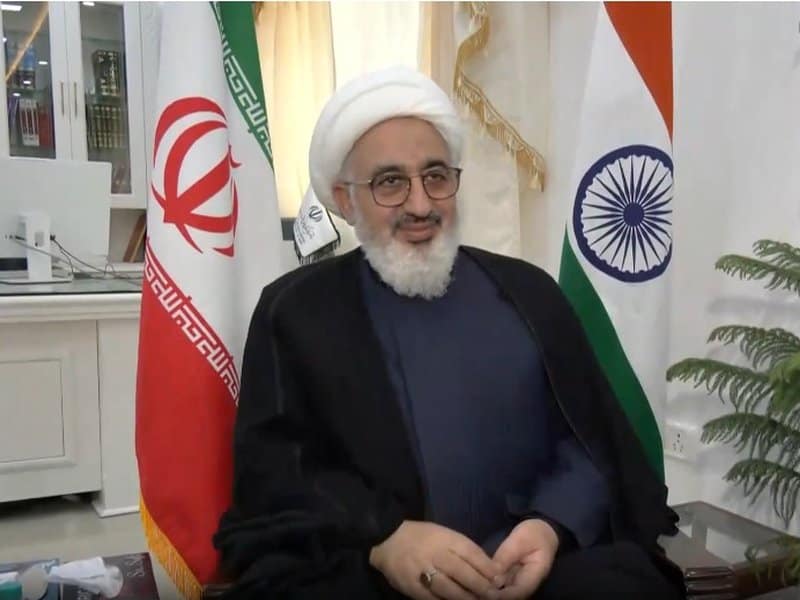
Abdul Majid Hakeem Ilahi, the Iranian Supreme Leader's representative in India, echoed these sentiments, claiming the US was compelled to announce a ceasefire after failing to sustain the conflict and realizing further hostilities would lead to greater setbacks. Ilahi stated the US decision was not voluntary but driven by its inability to continue fighting, making a "big mistake" and ultimately announcing a ceasefire when they realized they would face further defeat.

Ilahi indicated that a lasting resolution would depend on the acceptance of Iran's terms. He maintained that the war was imposed on Iran, which had no intention of engaging in it and was guided by humanity and international laws. However, he added that Iran was prepared to respond decisively if necessary. Addressing allegations of nuclear ambitions, Ilahi categorically denied that Tehran possesses or seeks nuclear weapons, citing religious principles. He also attributed regional tensions to external interference, specifically the US presence, rather than inherent conflicts between regional nations.

Frequently asked questions

No, according to Hossein Taeb and Abdul Majid Hakeem Ilahi, Iran's Basij paramilitary unit head and the Iranian Supreme Leader's representative in India respectively, the US was 'forced' to ask for the ceasefire.

Iranian officials stated the US was unable to sustain the conflict, violated a prior document, and faced potential further defeat if hostilities continued.

Abdul Majid Hakeem Ilahi categorically denied that Tehran possesses or seeks to develop nuclear weapons, citing religious principles.

Abdul Majid Hakeem Ilahi indicated that peace would depend on the acceptance of Iran's terms.

What Happens Next

01Future ceasefire talks may be influenced by Iran's stated conditions for peace.
02Continued monitoring of US-Iran relations and regional stability is warranted.

How It Developed

Hossein Taeb, head of Iran's Basij paramilitary unit, stated that the US was 'forced' to call for negotiations and a ceasefire.
Taeb claimed Iran had not asked for a ceasefire, but rather the US could not tolerate a negotiated document for 60 days and violated it.
Abdul Majid Hakeem Ilahi, the Iranian Supreme Leader's representative in India, echoed that the US was compelled to announce a ceasefire after failing to sustain the conflict.
Ilahi stated that continued hostilities would have led to further setbacks for Washington and that peace depends on Iran's terms.
Ilahi denied Iran's nuclear ambitions, citing religious principles.
Ilahi blamed external interference, specifically the US presence, for escalating regional tensions.

Sources

T1
Senior in Iran's Basij says US was 'forced' to ask for ceasefireMiddle East Eye
T2
US ‘forced’ into ceasefire, says Iranian Supreme Leader’s India representative (IANS Exclusive)ianslive.in
T2
US 'forced' into ceasefire, says Iranian Supreme Leader's India representative - IBTimes Indiaibtimes.co.in
T2
Iranian Majles Speaker: Negotiations Are a “Form of Fighting” | MEMRImemri.org

Related Stories

US House Speaker Mike Johnson says Washington entering 'new phase' in Iran war
23 Aug · 7:31 PM
Iran president backs US deal, security chief warns neighbors
23 Aug · 9:41 AM
Pakistan army chief visits Tehran amid US-Iran mediation
23 Aug · 7:46 AM
Iranians Divided on Path Forward Amid Sanctions and War Recovery
23 Aug · 11:51 PM
Iran official: Support for new sanctions would be an ‘act of war’
24 Aug · 1:10 AM