Key facts
- Bahrain intercepted Iranian drones targeting its territory early Wednesday.
- Iran's military claimed responsibility for the drone attack, stating it targeted US troop areas and radar installations.
- The US naval base in Bahrain was the alleged target.
- Iran also fired missiles at Jordan and drones at Kuwait, which were intercepted.
- The US military conducted strikes against Iranian military targets in response to recent attacks.
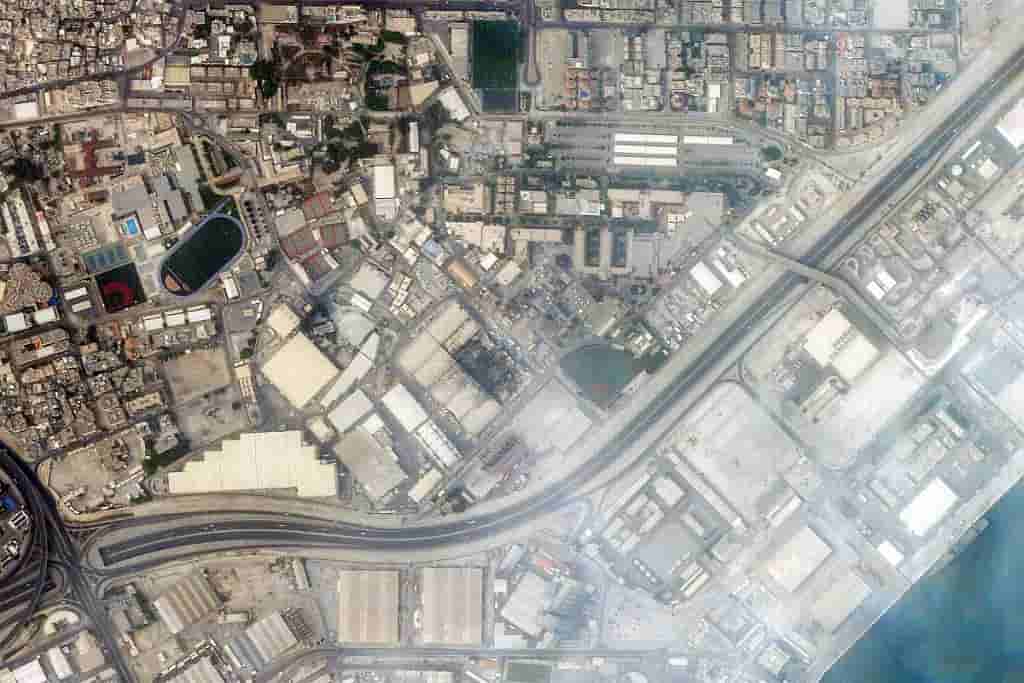
Bahrain's air defense systems intercepted an Iranian aerial attack early Wednesday, as Tehran continued to fire on allies of the United States in the Gulf region. Bahrain, which hosts an important U.S. naval base, stated its air defense systems intercepted incoming fire from Iran, accusing Iran of "attacks targeting civilians." The renewed violence threatens to reignite a conflict that has led to a spike in oil prices and roiled the global economy. Iran's Islamic Revolutionary Guard Corps (IRGC) claimed responsibility for the drone attack, stating it targeted radar installations and US troop areas at the Fifth Fleet's base in Manama at approximately 2:30 am local time. The IRGC stated the operation was carried out in response to recent US strikes on infrastructure in southern Iran. Ahead of the attacks on Bahrain, Iran fired missiles at Jordan and drones at Kuwait, all of which were intercepted. The United Arab Emirates also reported intercepting an Iranian drone over its waters. The US Central Command stated it had completed a barrage against Iranian military targets, including air defense sites, radar systems, and maritime assets. One US strike reportedly hit a home hosting a wedding, killing at least five people, including a child, and wounding at least 68 others, according to Iranian officials. The US military stated it was aware of the report but that it "never targets civilians."