Key facts
- Iran's acting defense minister, Majid Ibn Reza, asserted Tehran's capability to strike US warships.
- The minister's comments were a direct rebuttal to US assertions about Iran's military limitations.
- Iran highlighted its indigenous defense industry, including advanced anti-ship missiles and drones.
- Recent escalations include US strikes on Iranian oil tankers and Iranian missile attacks on US warships.
- Oil prices rose significantly due to fears of supply disruptions in the Strait of Hormuz.
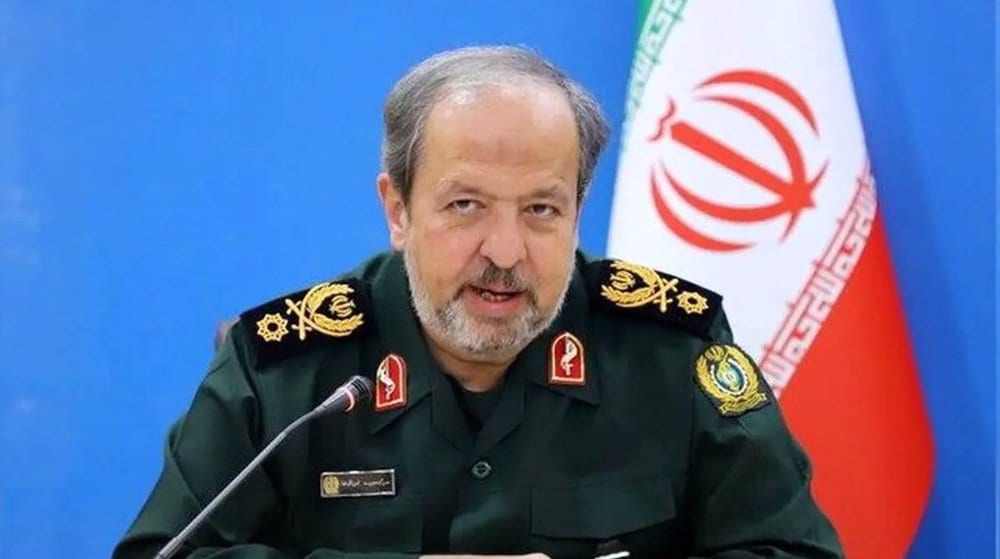
Iran's acting defense minister, Majid Ibn Reza, has asserted that Tehran possesses the technological capability to target U.S. warships enforcing a naval blockade against the country's ports. This statement directly challenges remarks from Washington that questioned Iran's military prowess.
Ibn Reza, speaking to an IRIB reporter, responded to the U.S. claims by stating, "God willing, you will see; you will see the results," when asked about Iran's ability to strike U.S. vessels. He reiterated this resolve when pressed further, assuring that "You will definitely see the results, God willing."
These remarks come amid escalating tensions, with Iran planning to establish an 'exclusion zone' outside the Strait of Hormuz. The situation intensified after U.S. forces struck three Iranian oil tankers in retaliation for ballistic missile attacks on U.S. Navy warships. Iran has vowed a more severe response to future actions.
Iranian authorities have characterized the U.S. naval blockade as an act of economic aggression and a violation of international law. The country emphasizes its reliance on an indigenous defense industry, which has developed advanced anti-ship missiles and drones capable of posing a threat in the Persian Gulf and surrounding waters. Brigadier General Alireza Elhami, commander of Iran’s air defense headquarters, confirmed the mass production of homegrown defense systems that proved effective during a recent conflict.
The conflict's impact has extended to global markets, with oil prices climbing to a six-week high as concerns mount over potential disruptions to crude supplies through the Strait of Hormuz. Brent crude approached $97 per barrel, and West Texas Intermediate crude reached $92.53.
In diplomatic exchanges, Iranian Foreign Ministry Spokesperson Esmail Baghaei criticized Canada for supporting U.S.-Israel military actions against Iran, accusing the Canadian government of "strategic confusion" and appeasing its "bullying neighbor."