Key facts
- Gold is seen as a resilient asset class in the event of an AI apocalypse.
As fears of an AI apocalypse grow, investors are seeking guidance on how to protect their wealth. Experts suggest diversifying portfolios, holding cash, and considering assets like gold, US Treasuries, and cybersecurity stocks.
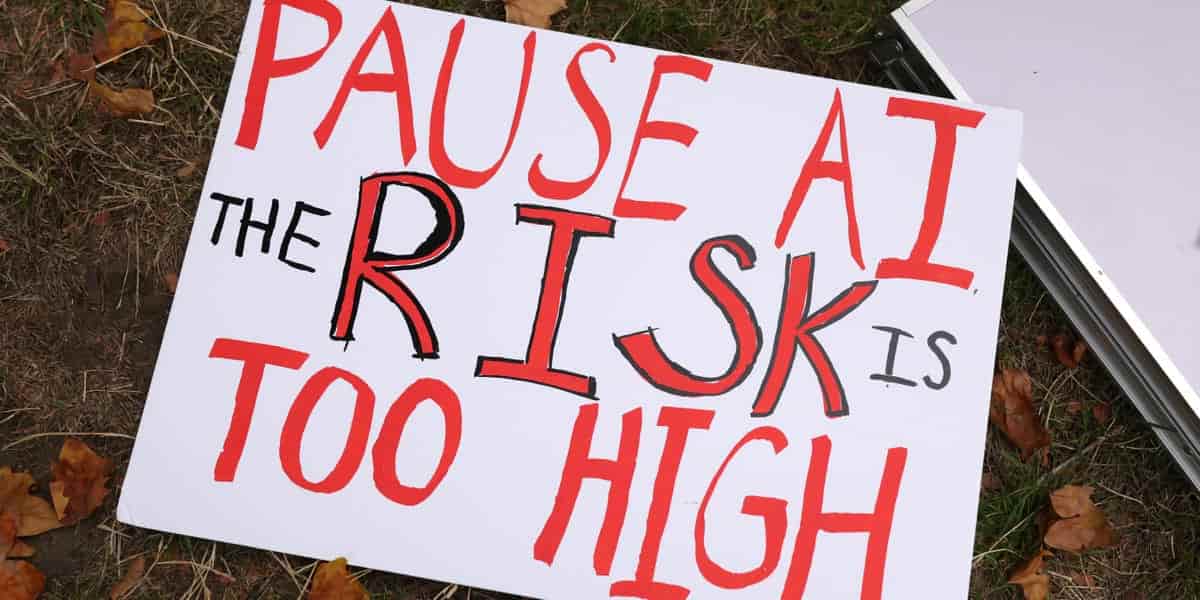
The prospect of an AI apocalypse, however unlikely, is prompting investors to consider extreme scenarios and reassess their investment strategies, highlighting the importance of diversification and safe-haven assets in times of uncertainty.
Growing concerns about the potential dangers of artificial intelligence have prompted investors to consider how to protect their wealth from an "AI apocalypse." While some experts view a future where AI poses an existential threat as a radical and unlikely scenario, the discussion has led to recommendations for safeguarding assets.
Neil Wilson, investor strategist at Saxo UK, believes that gold would be the most enduring asset class in such a catastrophic event. He also suggested that cybersecurity stocks could serve as a defense, benefiting from increased security measures likely to precede any major AI meltdown. In a market crash scenario, Wilson recommended miners, real estate, gold, defense companies, and even traditional comfort goods like alcohol and cigarettes.
John Longo, an author, portfolio manager, and finance professor, emphasized core investing principles such as diversification across and within asset classes, maintaining cash reserves, and limiting leverage. He suggested that traditional safe-haven assets like gold, US Treasuries, and Swiss francs might be worth considering for mitigating AI doomsday risks. Within equities, Longo noted that software security and defense stocks could attract investor attention.
Susannah Streeter, chief investment strategist at Wealth Club, advised investors not to "scramble for a single financial life raft" but instead to limit their exposure to AI disaster scenarios. This could involve reducing holdings in major US tech stocks, maintaining a cash buffer, and diversifying investments across regions, sectors, and asset classes. Streeter acknowledged gold as a useful hedge during severe market stress but expressed skepticism about crypto's ability to provide shelter due to its historical volatility. She cautioned against a hasty exit, suggesting that diversification and a long-term perspective might be more valuable.
Ipek Ozkardeskaya, senior analyst at Swissquote Bank, identified government bonds, gold, real estate funds, and high-quality defensive stocks as likely investor choices in a disaster scenario. For stock investors, she recommended rotating to companies with strong earnings, low leverage, and sufficient free cash flow, calling defensive names "sexy."
Sarah Coles, head of personal finance at AJ Bell, cautioned against overstating the threat of AI, describing it as "completely theoretical." However, she suggested that those concerned could stockpile long-lasting food and household essentials. Coles also recommended keeping a small sum of cash at home for emergencies but warned against large amounts due to risks of theft or damage. She stressed the importance of avoiding panic-driven financial decisions.
Kristin Pugh, a private wealth manager at Creative Planning, posited that in a truly catastrophic AI scenario, traditional financial assets might lose their meaning. She suggested focusing on human relationships, families, neighbors, and communities as the most important "assets." Pugh also mentioned the practical consideration of keeping some water and food supplies.