Key facts
- Hong Kong investigators are probing a fatal cargo plane crash.
- A cockpit control moved forward during landing, causing the aircraft to veer off the runway.
- Two security personnel were killed in the incident.
- NTSB data shows the crew discussed excessive speed and called for a go-around 15 seconds before leaving the runway.
- The aircraft did not deploy speed brakes or thrust reversers after the go-around call.
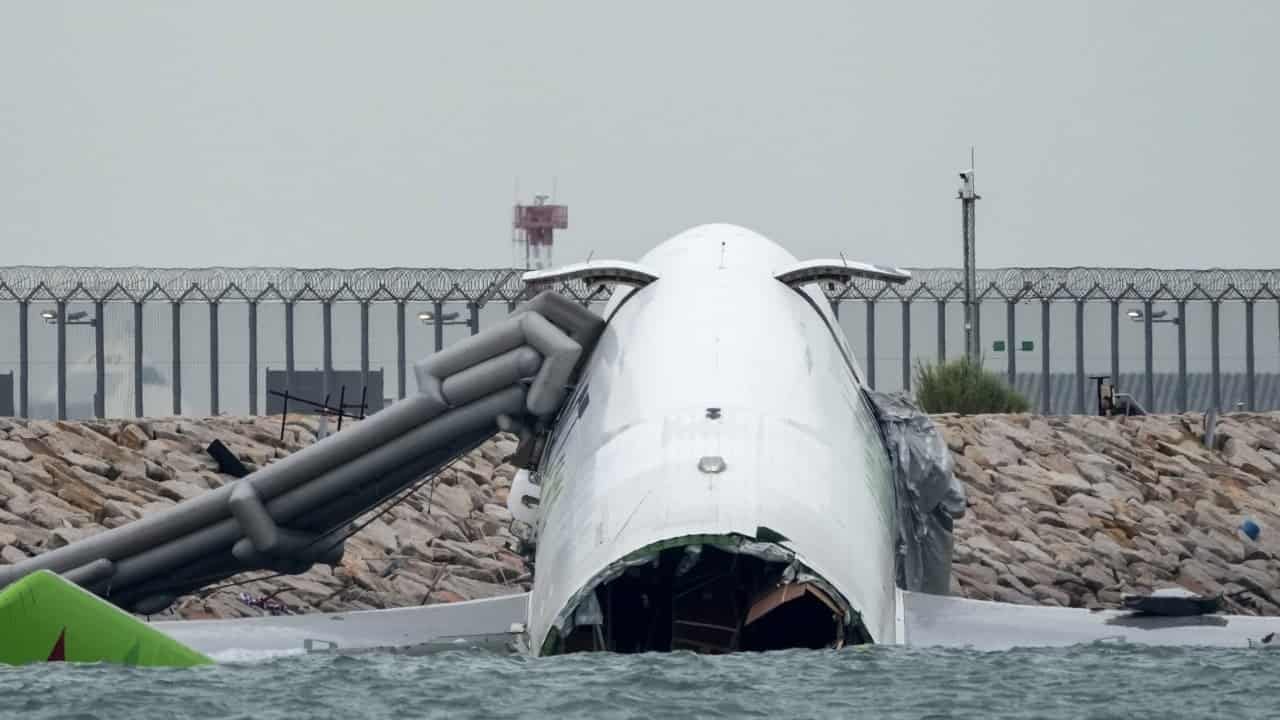
Aviation investigators in Hong Kong are examining why a cockpit control on a Boeing cargo freighter moved forward during landing last year, causing the aircraft to veer off an airport runway and kill two security personnel. The Air Accident Investigation Authority (AAIA) provided an update on Tuesday on the fatal incident involving the Boeing freighter, owned by ACT Airlines.
Separately, the U.S. National Transportation Safety Board (NTSB) is investigating a runway excursion accident involving a Boeing 767-33A cargo airplane, operated as Amazon Air Flight 7598, at Miami International Airport on September 6, 2026. The aircraft, arriving from Puerto Rico with approximately 32,000 pounds of cargo, veered off the runway and struck a van, resulting in the deaths of five individuals on the ground and injuries to the two pilots.
Preliminary data from the cockpit voice recorder (CVR) and flight data recorder (FDR) indicates that the flight crew discussed the aircraft's excessive speed in the final minutes of the flight. Approximately one minute and 42 seconds before the end of the recording, a pilot cautioned about the speed, with additional comments about excessive speed continuing. A go-around was called 15 seconds before the aircraft left the pavement.
The FDR data showed that the throttles advanced to a setting consistent with go-around thrust several seconds before the recording ended. The brakes were applied, but the FDR indicated no deployment of speed brakes or thrust reversers. Investigators are focusing on the combination of a late go-around call, continued brake application, and the absence of deceleration devices in reconstructing the crew's final decisions.