Key facts
- India's payments authority will impose a 0.4% fee on select person-to-merchant UPI transactions above 2,000 rupees from October 15.
- Paytm, One Mobikwik, Yes Bank, and Axis Bank shares advanced on Wednesday.
- More than 95% of person-to-merchant UPI transactions by volume are below 2,000 rupees.
- The new framework aims to create a transaction-linked revenue pool for payment fintechs.
- The MDR is a charge on the merchant side and will be capped at 300 rupees for transactions of 75,000 rupees and above.
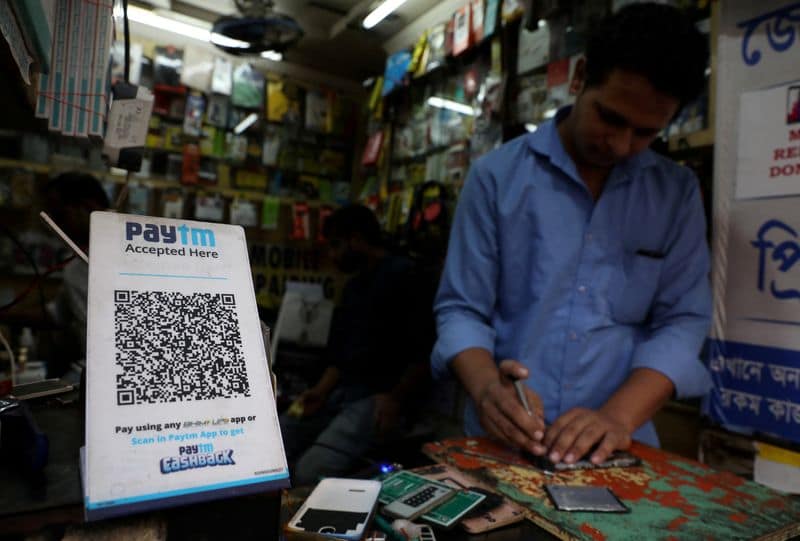
Shares of Indian digital payment firms and banks rose on Wednesday following the introduction of a new fee on certain UPI transactions. The National Payments Corporation of India (NPCI) announced that a 0.4% Merchant Discount Rate (MDR) will be applied to person-to-merchant (P2M) transactions exceeding 2,000 rupees, starting October 15.
Paytm, One Mobikwik, Yes Bank, and Axis Bank saw their stock prices climb in early trading. Paytm, One Mobikwik, and Yes Bank gained between 2% and 8%, while Axis Bank saw a more modest increase of about 0.8%. Pine Labs, initially up around 2.2%, later reversed its gains and traded 3.2% lower.
The new MDR is expected to create a new revenue stream for fintech companies that have operated for years with minimal direct monetization from UPI transactions. However, the actual financial benefit for individual companies will depend on how the revenue is distributed across the UPI ecosystem, which includes issuing and acquiring banks, payment service providers, and fintechs themselves.
Industry analysis suggests that higher-value merchants, e-commerce companies, and businesses conducting larger transactions will be the primary beneficiaries of this new revenue pool, as over 95% of P2M UPI transactions by volume are below the 2,000-rupee threshold. The framework aims to support infrastructure, innovation, cybersecurity, and customer service within the payments ecosystem while preserving free low-value UPI payments.