Key facts
- President Donald Trump signed the Sanctioning Russia and Iran Act of 2026.
- The act allows for tariffs of up to 100% on goods from countries buying Russian oil and gas.
- India has become a top buyer of Russian crude, with its share reaching 55% in July.
- Global energy supplies are already constrained by disruptions in key shipping lanes and attacks on oil infrastructure.
- Replacing Russian oil would increase costs for Indian refiners due to higher spot prices and freight premiums.
- India's crude import bill rose nearly 50% to $74.8 billion in April-August.
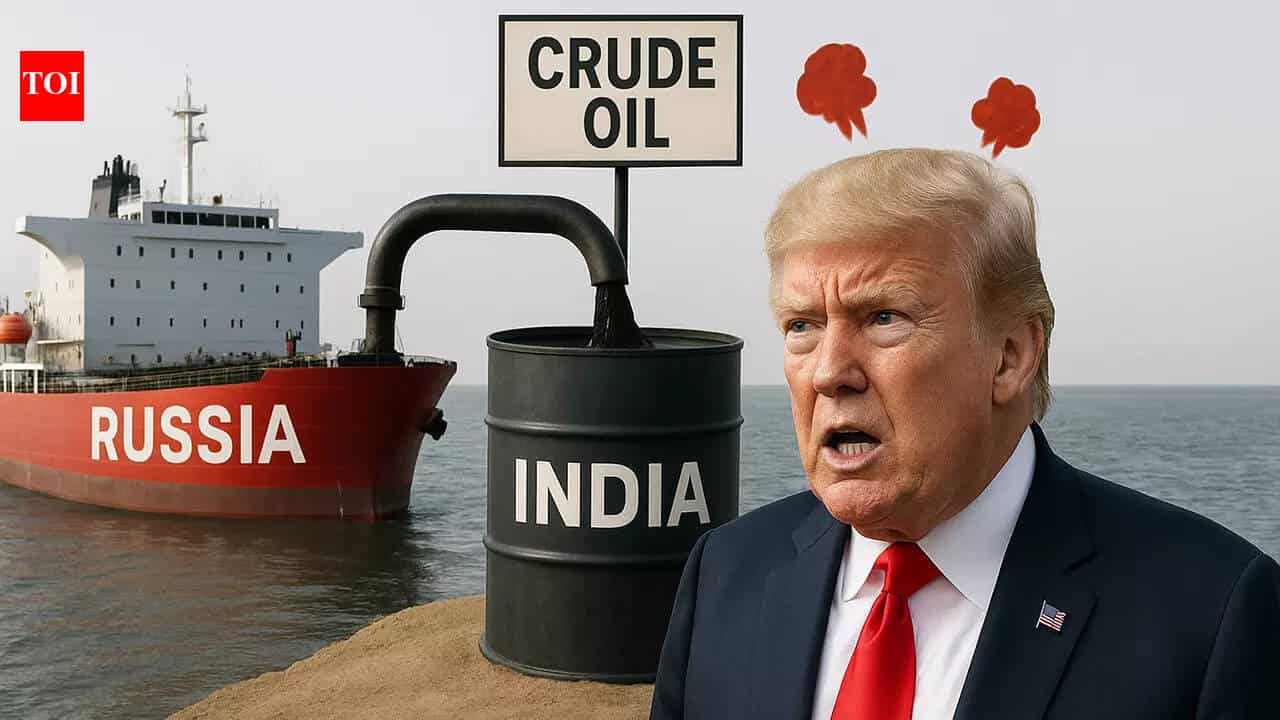
India is attempting to balance its need for affordable energy with its strategic relationship with Washington, a challenge amplified by a new US law that could impose significant tariffs on countries purchasing Russian oil. President Donald Trump signed the Sanctioning Russia and Iran Act of 2026, granting his administration the authority to levy tariffs of up to 100% on goods from nations that continue to buy Russian oil and gas.
This legislation poses a direct challenge to India, which has become a major importer of Russian crude, particularly since the conflict in Ukraine began. In July, Russian oil constituted 55% of India's crude imports. China, Turkiye, and Egypt are also identified as large buyers of Russian crude.
China has voiced opposition to the law, criticizing unilateral and secondary sanctions. The potential disruption to Indian supplies comes at a time when global energy markets are already tight due to geopolitical tensions. Disruptions in the Strait of Hormuz and Bab el-Mandeb, coupled with damage to Saudi Arabia's East-West pipeline, have already limited alternative sources, making it harder for Indian refiners to replace Russian barrels.
India's past experiences with sanctions on Iranian and Venezuelan oil illustrate the impact on its sourcing strategies. Imports from Iran, once a top supplier, ceased following US sanctions in March 2019, though they briefly resumed after a temporary waiver. Similarly, Venezuelan oil's share in India's imports dwindled to zero for two years due to widened US sanctions, before resuming in 2023-24.
Industry executives note that replacing Russian crude would be difficult and expensive, necessitating increased imports from regions like Africa, Latin America, and the US, which would incur higher spot prices and increased freight and insurance costs. Despite diversifying its crude sources across nearly 40 countries, India faces rising import bills amid tight global supplies. The Indian basket of crude has surged 80% to over $125 per barrel, contributing to a nearly 50% increase in India's crude import bill to $74.8 billion for April-August of the current fiscal year.
India's foreign ministry has indicated that discussions are ongoing with the US at high levels to address the legislation and protect India's trade and economic interests.