Key facts
- Six metro stations in Delhi were closed on Monday for security reasons.
- Traffic restrictions and diversions were imposed in over 20 locations in Delhi.
- Over 130 million names have been deleted from electoral rolls during a verification exercise.
- Opposition parties allege Muslim voters and minorities are disproportionately affected by the deletions.
- The Election Commission denies favoring any party and states wrongly deleted voters can re-enrol.
- Chief Justice Surya Kant declined a meeting request from opposition leaders, advising them to approach the court legally.
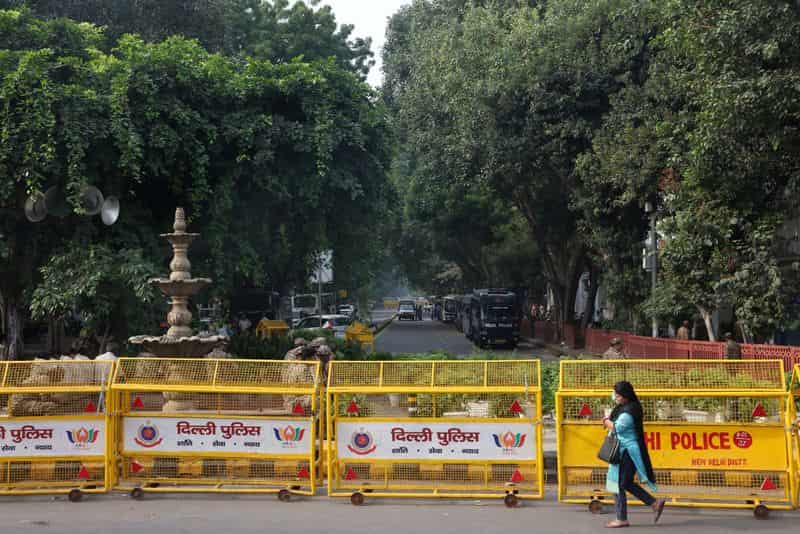
Authorities in Delhi closed six metro stations and imposed traffic restrictions on Monday as opposition parties planned a march to the Supreme Court to protest a revision of voter lists. The revision, which has sparked days of unrest in the Indian capital, has seen over 130 million names deleted from electoral rolls.
Opposition parties and supporters of the 'Cockroach' youth movement have been protesting almost daily this month, demanding the resignation of Chief Election Commissioner Gyanesh Kumar. Critics argue the revision unfairly benefits Prime Minister Narendra Modi's Bharatiya Janata Party (BJP), with allegations that Muslim voters and other minorities are disproportionately affected by the deletions.
The Election Commission has denied favoring any party and stated that wrongly deleted voters can re-enrol. The BJP has accused its rivals of attempting to undermine the country's democracy by questioning legitimate electoral processes.
Over 130 million names were deleted from voter lists, including those who had died, relocated, or could not be traced. Police detained thousands of protesters over the weekend, including leaders of the 'Cockroach Janta Party' (CJP), as security personnel locked down central Delhi.
Congress leader Rahul Gandhi announced a march to the Supreme Court to submit a memorandum demanding an end to alleged "vote theft" and Kumar's resignation. However, Chief Justice Surya Kant declined the meeting request, advising the delegation to approach the court legally as the issue is already under judicial review.
Separately, the CJP stated its leaders would meet Delhi Police to demand a date for a peaceful protest, threatening to announce a new protest call if a date is not provided within 24 hours. The youth movement has been a significant political challenge to Modi and the BJP.