All NewsEducationTV
Equities & FundsCrypto & Digital AssetsAI & TechnologyBusiness & CorporateUS Politics & PolicyGeopolitics & Global RiskMacro, Rates & FXCommodities & EnergyEuropean Politics & MarketsAsia-PacificReal Estate & Property
All NewsHome
← Back to Asia-Pacific

India accelerates chip ambitions amid latecomer risks

Created at 27 Aug · 6:51 AM1 source↑ Market-relevant
IN SHORT

India is intensifying its semiconductor industry initiative, known as Semicon 2.0, with a significant outlay of $13.4 billion. The move comes as the country's chip import costs are projected to reach $240 billion by 2035, while global supply chains undergo restructuring.

Key Numbers

$13.4 billionIndia's outlay for semiconductor initiative
$240 billionProjected annual chip import costs by 2035
25 billion rupeesCost of new semiconductor facility
$262.25 millionValue of new semiconductor facility
2021Year for global semiconductor sales data
75%-80%Minimum competitive yield for commercial viability
85%-90%Target yield for full competitiveness
24-30 monthsTimeframe for stable yields
12-hourApproved work shifts in Gujarat

Who's Involved

Narendra Modi
Prime Minister of India, accelerating semiconductor initiative
Tata Electronics
Planning Dholera fab with focus on competitive yields
Kaynes Semicon
Exploring emerging technologies like silicon photonics
Micron Technology
Operating assembly and test plant in Sanand, Gujarat
Indichem
South Korea-India venture targeting semiconductor materials supply
Deloitte
Identified concentration of semiconductor supply chains as a vulnerability
Semiconductor Industry Association (SIA)
Source for global semiconductor sales data
CSIS
Source for global semiconductor sales data
India accelerates chip ambitions amid latecomer risks

↳ Why This Matters

India's aggressive push into semiconductor manufacturing aims to reduce its reliance on imports, bolster its technological capabilities, and secure a more significant role in the global chip supply chain, potentially reshaping regional and international technology production.

Key facts

  • India is accelerating its semiconductor industry initiative, Semicon 2.0, with a $13.4 billion outlay.
  • The country's annual chip import costs are projected to reach $240 billion by 2035.
  • A new 25 billion-rupee ($262.25 million) semiconductor facility has received its foundation stone in southern India.
  • Global semiconductor manufacturing is concentrated in East Asia, creating risks and opportunities for diversification.
  • India is enhancing cooperation with the US and Japan on semiconductor development and supply chains.
  • The focus is shifting towards improving wafer yields, local expertise, and materials supply.

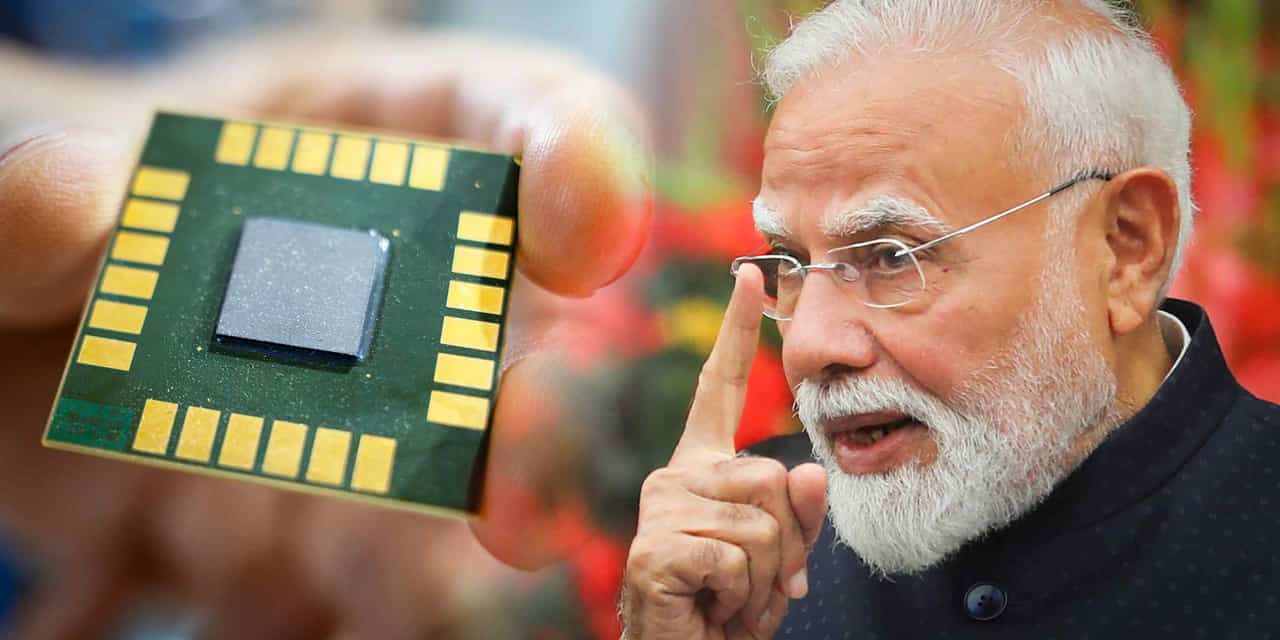
India is intensifying its efforts to establish a robust semiconductor industry, launching Semicon 2.0 with a substantial $13.4 billion outlay. This strategic push aims to curb the projected surge in chip-related imports, which are expected to reach $240 billion by 2035. Prime Minister Narendra Modi recently inaugurated a new semiconductor facility in southern India, marking a significant step in the country's ambitious chip-making initiative.

The global semiconductor landscape is undergoing a significant restructuring, with supply chains heavily concentrated in East Asian economies like Taiwan, South Korea, and China. This concentration presents both risks and opportunities, prompting governments and industry leaders to seek diversified manufacturing locations. India is positioned to benefit from this shift, leveraging its large market and political stability to expand advanced packaging, assembly, and selective manufacturing capabilities.

Strategic partnerships are crucial to India's semiconductor ambitions. Cooperation with the United States under the Initiative on Critical and Emerging Technology (iCET) is deepening, covering joint development, workforce training, and collaborative research. Similar technology and supply-chain partnerships have also been formalized with Japan.

India's domestic demand for chips is on the rise, driven by growth in consumer electronics, electric vehicles, telecommunications, and data centers. The country's chipmaking strategy is evolving beyond attracting foreign investment in fabs and assembly plants to building comprehensive capabilities. This includes improving wafer yields, adapting labor rules to meet manufacturing demands, and developing local expertise in materials and equipment.

Companies like Tata Electronics are focusing on achieving competitive yields at their planned facilities, a process that could take 24 to 30 months. Meanwhile, Kaynes Semicon is exploring opportunities in emerging technologies such as silicon photonics and neuromorphic chips, aiming to bypass traditional chipmaking gaps. The adaptation of labor rules, exemplified by Gujarat's approval of 12-hour work shifts for Micron Technology, highlights the proactive measures being taken by Indian states to attract and sustain semiconductor manufacturing.

Frequently asked questions

Semicon 2.0 is India's accelerated initiative to boost its semiconductor industry, involving a significant financial outlay and strategic partnerships.

India aims to reduce its substantial chip import costs, which are projected to reach $240 billion by 2035, and to become a key player in the global chip supply chain.

Key risks include the concentration of global manufacturing in East Asia, the challenge of achieving competitive wafer yields, and the need to develop local expertise and supplier capabilities.

India is deepening cooperation with the United States and Japan on semiconductor development, workforce training, and supply chain partnerships.

What Happens Next

01India aims to achieve competitive yields at its Dholera fab within 24-30 months.
02Kaynes Semicon plans to develop capabilities in silicon photonics and neuromorphic chips.
03Further strategic partnerships in semiconductor development and workforce training are expected.

How It Developed

India is accelerating its semiconductor industry initiative, Semicon 2.0.
The government has allocated $13.4 billion for the initiative.
India's annual chip-related imports are expected to reach $240 billion by 2035.
Prime Minister Narendra Modi virtually laid the foundation stone for a 25 billion-rupee ($262.25 million) semiconductor facility in southern India.
Global semiconductor supply chains are concentrating in Taiwan, South Korea, and China, creating risks and opportunities for diversification.
India is benefiting from global diversification efforts due to its large market and stability.
The US and India are deepening cooperation on semiconductor development through the Initiative on Critical and Emerging Technology (iCET).
Japan and India have also formalized technology and supply-chain partnerships.

Sources

T1
India pushes semiconductor drive as experts warn of latecomer risksNikkei Asia
T2
India Semiconductor Opportunities and Risks | Geopolitical Analysisalpinumconsulting.com
T2
India roundup: India's chip push moves beyond fabs as yield, supply ...digitimes.com
T2
India accelerates 'semiconductor drive' with Rs 1.64 lakh crore ...financialexpress.com

Related Stories

China Sets 2030 Goal for High-Tech Industry Dominance
26 Aug · 11:06 AM
China industrial profit growth slows in July amid weak domestic demand
27 Aug · 1:57 AM
China's Robotics IPO Wave Continues with Two More Firms Eyeing Hong Kong Listings
26 Aug · 11:05 PM
China's BeiDou Navigation System Covers 90% of Key Industry Uses
26 Aug · 7:45 AM
China's Medical Insurance Exodus Prompts Calls for Elderly Subsidies
27 Aug · 4:06 AM