Key facts
- Incheon International Airport ranked first globally in international passenger traffic for the first half of 2026.
- The airport handled 38.39 million international passengers in the first half of 2026.
- This is the first time Incheon has topped the international passenger rankings since opening in 2001.
- Disruption in the Middle East due to the Iran war diverted some transfer traffic to alternative routes through East Asia.
- Foreign passengers accounted for a record 44.4% of Incheon's passengers in the second quarter.
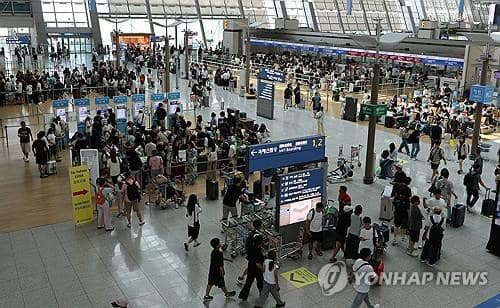
Incheon International Airport, South Korea's main gateway, has become the world's busiest airport for international passenger traffic in the first half of 2026, handling 38.39 million passengers. This marks the first time the airport has achieved the top global ranking since its opening in 2001. Preliminary figures from Airports Council International place Incheon ahead of London Heathrow (37.79 million) and Singapore Changi (34.53 million).
Airport officials attribute part of the increase to disruptions in the Middle East caused by the Iran war, which has potentially diverted transfer traffic from regional hubs like Dubai to alternative routes through East Asia. Incheon saw an 18.1% rise in transfer passengers, with a significant 63.2% increase on European routes. The proportion of foreign passengers at Incheon reached a record 44.4% in the second quarter, largely due to increased visitors from China and Japan.
Heathrow recorded 40 million total passengers in the first half, its busiest on record, though capacity to the Middle East reportedly fell 16.5% amid regional conflict. Istanbul recently surpassed Heathrow as Europe's busiest airport by total passenger numbers. Incheon has expanded its capacity to 106 million passengers annually following a four-phase expansion completed in late 2024, serving 101 airlines to 183 cities.