Key facts
- An immigration advocate is suing CBP agents for demanding his cell phone and copying its data.
- The advocate claims the search was politically motivated due to his work on immigrants' rights.
- He alleges law enforcement has targeted him before for his political viewpoints.
- Federal courts recognize a "border exception" allowing searches of devices without a warrant.
- CBP states such searches are rare, with 55,318 devices searched out of over 419 million travelers in FY2025.
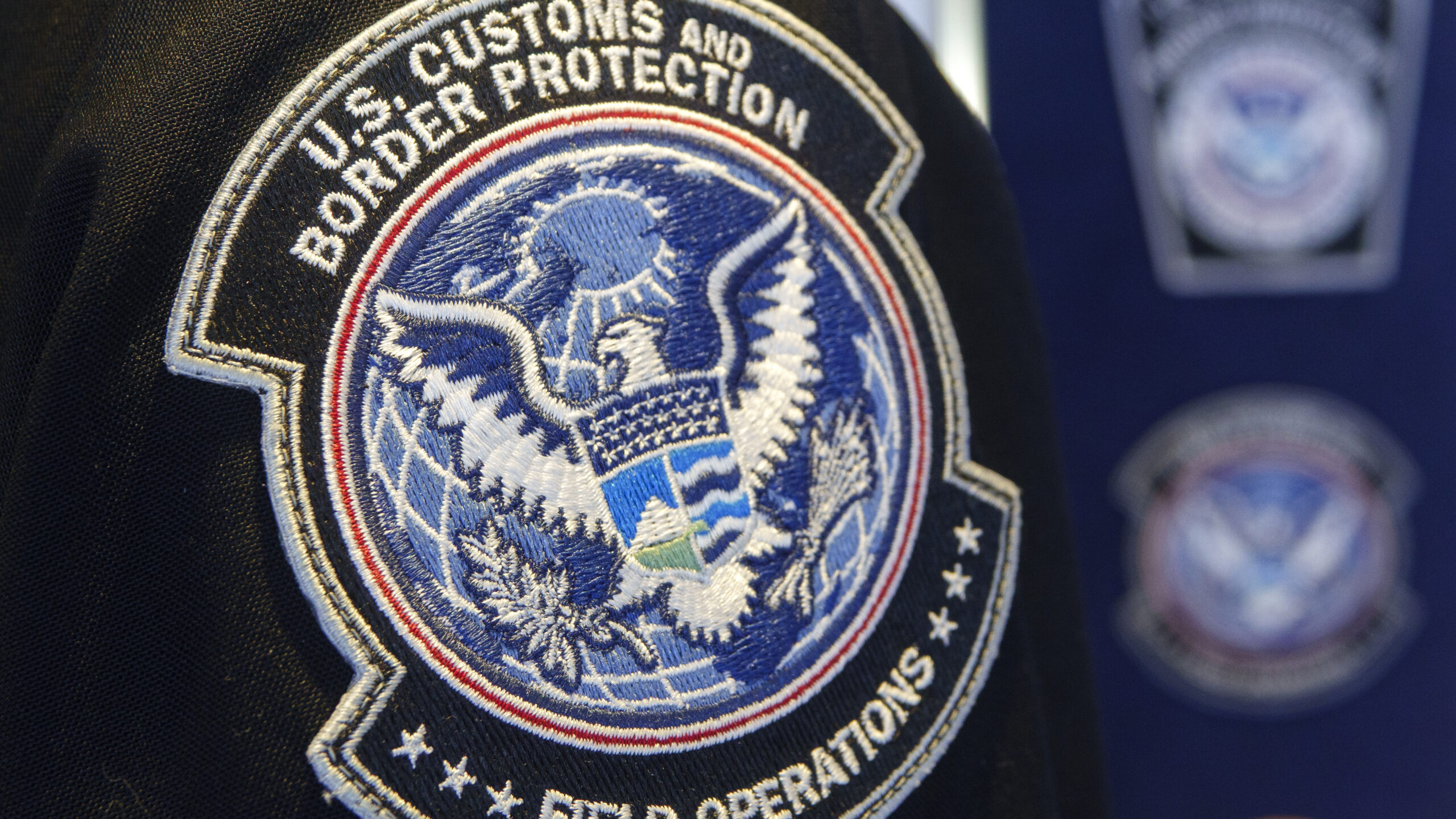
An immigration advocate has filed a lawsuit against U.S. Customs and Border Protection (CBP) agents, alleging they unlawfully demanded and copied data from his cell phone at a port of entry. The advocate, who was not named in the provided text but is referred to as "Kennedy," believes he was targeted due to his political work and activism around immigrants' rights in Florida.
In his court filing, Kennedy stated, “I believe CBP flagged me because of my organizing and political work around immigrants’ rights in Florida.” He also recounted a 2021 incident where he claims Miami Police surveilled him and barred him from press conferences after he spoke out against Governor Ron DeSantis.
Federal courts have long recognized a "border exception" to the Fourth Amendment, which allows for the search of individuals, bags, and electronic devices without a warrant at the border. CBP's website indicates it can copy data from devices if there is probable cause to believe the information contains evidence of a violation of law that CBP is authorized to enforce, or if the information relates to immigration, customs, or other enforcement matters.
The agency maintains that such searches are rare. In Fiscal Year 2025, CBP processed over 419 million travelers and searched the electronic devices of 55,318 international travelers, representing approximately 0.0013% of the total. Despite this, Kennedy expressed anger, stating in the complaint, “CBP shouldn’t have been able to confiscate my phone, let alone copy its contents. I believe they did so to suppress my political speech.” The case was initially reported by the Miami New Times.