Key facts
- A federal judge ruled Idaho's near-total abortion ban unconstitutional.
A federal judge ruled Idaho's near-total abortion ban unconstitutional, stating it violates the 14th Amendment by not allowing abortions for broader health risks. The ruling blocks prosecution of doctors for performing abortions to protect a pregnant person's health or prevent self-harm.
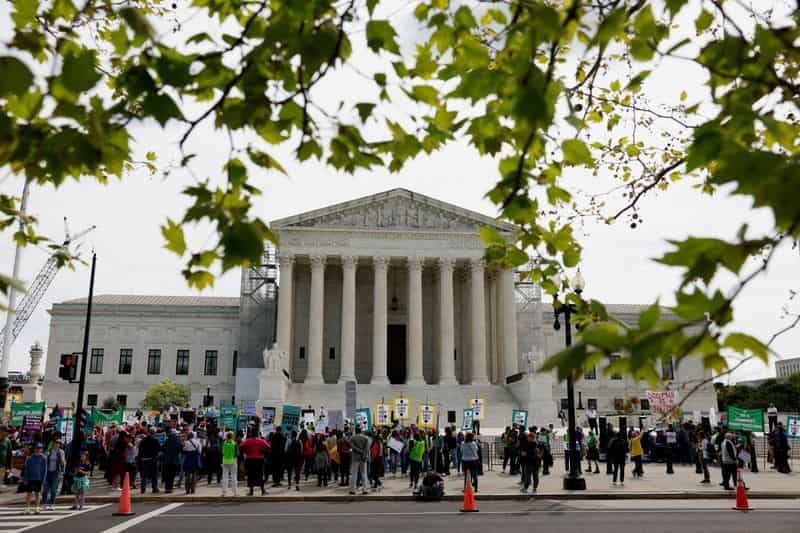
The ruling significantly impacts abortion access in Idaho by creating a legal pathway for doctors to perform medically necessary abortions without fear of prosecution, while the state's attorney general intends to challenge the decision, setting the stage for further legal battles over reproductive rights.
A federal judge has ruled that Idaho's near-total abortion ban is unconstitutional, specifically blocking the state from prosecuting doctors who perform abortions to protect a pregnant person's health or prevent self-harm. U.S. District Judge B. Lynn Winmill stated on Thursday that the state's "Defense of Life Act" and "Fetal Heartbeat Act" violate the due process and equal protection clauses of the 14th Amendment.
Physicians who violate these laws can face up to five years in prison and lose their medical license. While the laws include narrow exceptions for abortions to prevent the death of the pregnant woman or in cases of rape or incest with a police report, Winmill emphasized that the case was not about reproductive choice but about the limits of state power.
Winmill wrote that the state cannot arbitrarily decide which life-threatening conditions justify an abortion, comparing it to the state not being able to force a mother to donate an organ to her child. He also stated that mental illness should not be treated differently from other health conditions, calling a ban on life-saving care for mental health threats an "affront to human dignity."
Dr. Stacy Seyb, a maternal-fetal medicine specialist who sued over the law, expressed that the ruling would allow him to practice medicine without fear and offer patients with serious medical conditions the option of ending a pregnancy without leaving the state. He noted that suicide and overdose are leading causes of death for pregnant and postpartum individuals in the U.S.
Idaho Attorney General Raul Labrador announced his intention to appeal the decision, stating confidence that it would be overturned and that abortion policy belongs to the people and their elected representatives. The ruling also noted that physicians could still face civil penalties under another state law allowing extended family members of an aborted fetus to sue the provider for at least $20,000.
Idaho voters will decide on a ballot initiative this fall that would allow abortion until fetal viability, generally considered after 21 weeks.
Pick the topics you care about. Get only what matters, on your cadence.