Key facts
- Claus Kress, special adviser to the ICC prosecutor on the crime of aggression, believes the ICC can withstand sanctions if core supporters remain steadfast.
- The U.S. Treasury Department sanctioned the International Criminal Court (ICC) on Friday, expanding restrictions to target the institution.
- Eight U.S. allies have jointly rebuked the U.S. decision to sanction the ICC.
- U.S. Secretary of State Marco Rubio stated the sanctions aim to cripple the ICC's ability to operate against the U.S.
- The ICC has called the U.S. action an attempt to obstruct justice and urged member countries to protect its operations.
- Japan and Germany are identified as key backers whose support could determine the court's resilience.
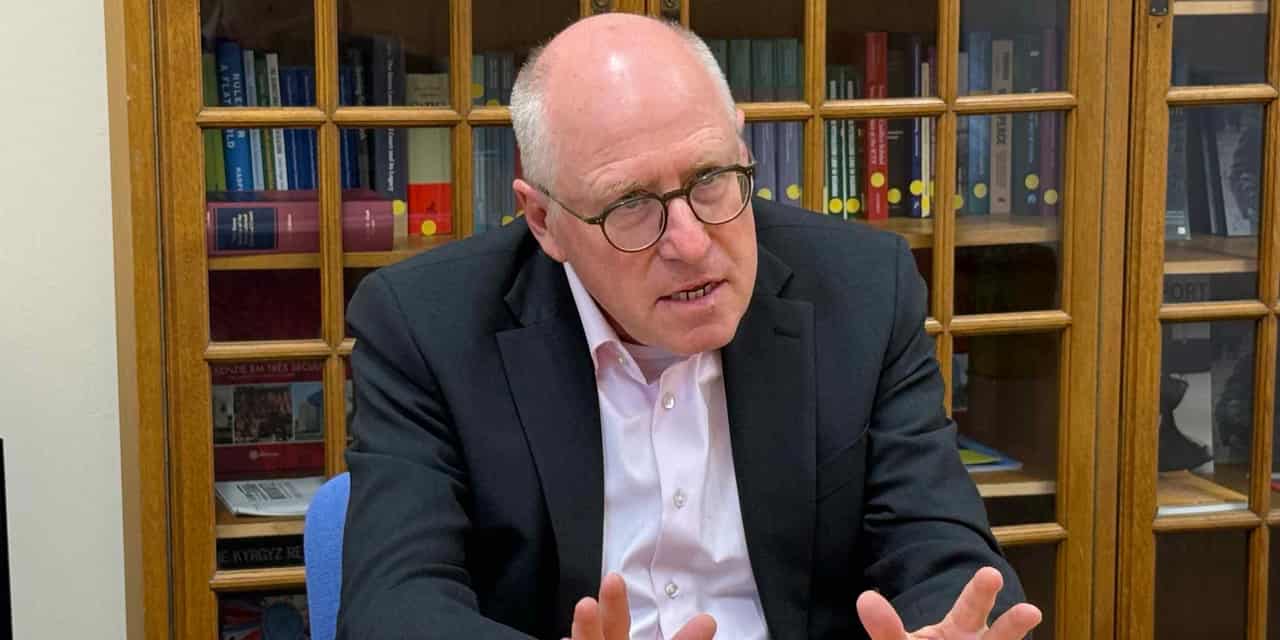
Claus Kress, special adviser on the crime of aggression to the Office of the Prosecutor of the International Criminal Court (ICC), stated that attempts to dismantle the court will fail if its core supporters remain steadfast. In an interview with Nikkei on October 10, 2026, Kress called for unity among major countries, including Japan, to support the court following the U.S. administration's imposition of sanctions on the ICC.
The Trump administration sanctioned the ICC on Friday, October 9, 2026, expanding previous restrictions against individual officials to include financial measures targeting the institution. The U.S. Treasury Department added the Hague-based court to its sanctions list under President Donald Trump’s 2025 sanctions order. This designation follows sanctions against 13 court officials.
U.S. Secretary of State Marco Rubio stated that the U.S. will "ban transactions with this rogue court, cutting off their resources and crippling its ability to operate against us." He also warned, "Either the ICC will end its threats, or we will end the ICC." The ICC rejected the action as an attempt to obstruct justice and urged member countries to protect its operations.
Eight U.S. allies have jointly rebuked the decision, highlighting a divide over protecting military personnel from potential international prosecution and preserving accountability for atrocities. South Africa’s foreign minister, Ronald Lamola, had previously warned at the UN that such measures could fundamentally disrupt the court's operations, emphasizing that an independent court remains independent only if its judges and officials cannot be punished for carrying out their mandates. The Dutch prime minister, Rob Jetten, also spoke at the UN, stating, "International law either works for everyone or for no one," and urged a response of "hands off the ICC."