Key facts
- Hungary's government has formally condemned Russia's military aggression.
- Budapest now states that Russia's conduct poses a threat to Hungary, Europe, and the global order.
- The policy guidelines affirm support for Ukraine's sovereignty and territorial integrity.
- This represents a sharp break from the Russia-friendly policies of former Prime Minister Viktor Orbán.
- Hungary's government rescinded a ban on Ukrainian media and closed a money laundering investigation into a Ukrainian bank convoy.
Hungary's government has formally condemned Russia's military aggression and declared Moscow a threat to Hungary, Europe, and the global order in policy guidelines published for its UN General Assembly delegation. This marks a significant departure from the Russia-friendly policies previously pursued by former Prime Minister Viktor Orbán.
The document states, "Russia’s conduct poses a threat to Hungary, Europe and the global order," adding that Moscow endangers the Hungarian minority in Ukraine’s Transcarpathia region. It also affirms Hungary's condemnation of Russian military aggression and full support for Ukraine’s sovereignty and territorial integrity within its internationally recognized borders, recognizing Kyiv’s right to self-defense and backing negotiations for sustainable peace.
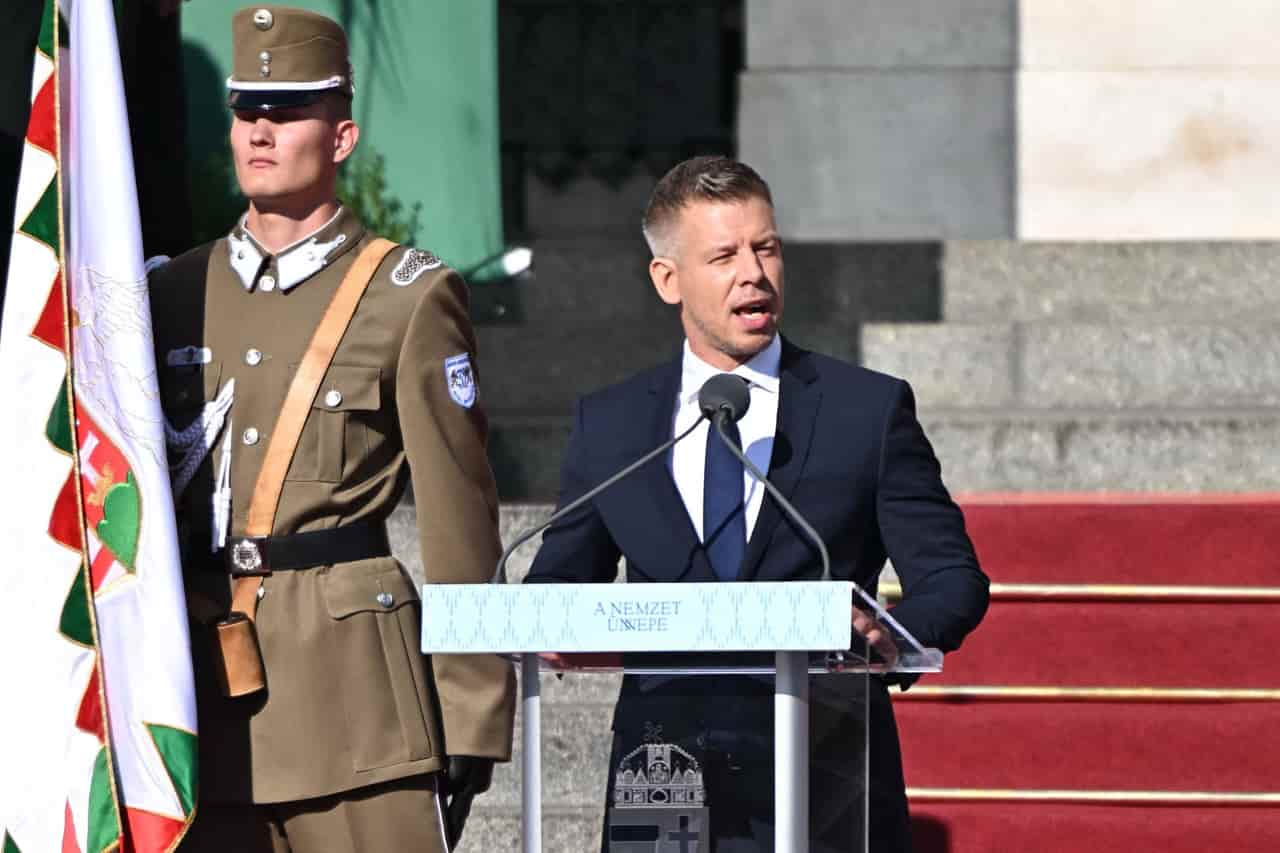
Prime Minister Péter Magyar, who ousted Orbán this spring, has been actively repairing ties with Brussels, securing the release of €16.4 billion in frozen EU funds and lifting Hungary's vetoes on EU reimbursements for weapons sent to Ukraine. He also initiated a review of the Paks II nuclear deal with Russia's Rosatom, originally signed by Orbán in 2014 with up to €10 billion in Russian financing. However, Magyar's government still opposes fast-tracking Ukraine's EU membership and plans a referendum on the matter.
Recent weeks have seen conciliatory steps between Hungary and Ukraine, including the closing of a money laundering investigation into a Ukrainian bank convoy and the overturning of a ban on Ukrainian media, moves aimed at mending bilateral ties.