Hormuz vessel traffic slows to four exits over weekend
IN SHORT
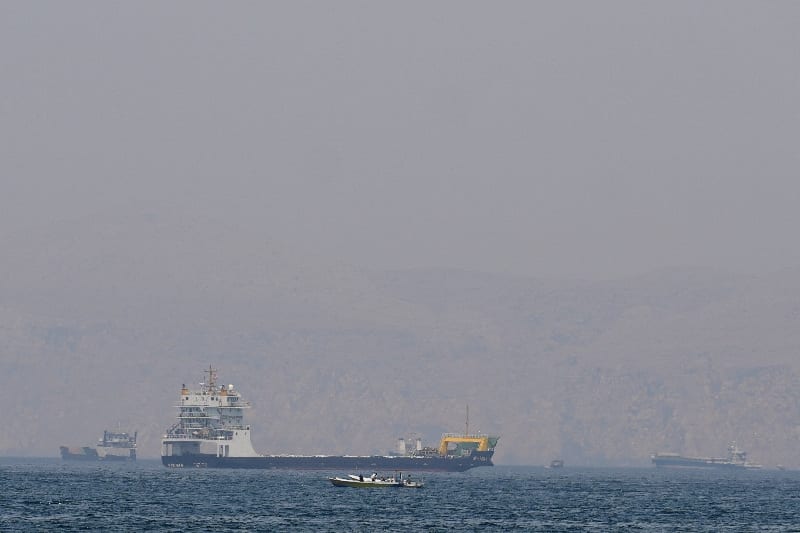
Commodity vessel transits through the Strait of Hormuz fell to single digits over the weekend, with only four vessels exiting the Gulf. This marks a significant drop from the 10-day average of 14 vessels, reflecting rising tensions impacting maritime movements.
Key Numbers
4vessels exited Strait of Hormuz over the weekend
10vessels entered Strait of Hormuz over the weekend
1410-day average of vessels exiting Strait of Hormuz
20%of world's daily crude oil and LNG supply passes through Strait of Hormuz
Who's Involved
Reuters
reported preliminary shiptracking data showing reduced vessel traffic
United Kingdom Maritime Trade Operations
said a vessel was struck by an unknown projectile while transiting the Strait of Hormuz
Saudi officials
said the East-West oil pipeline was temporarily shut down by a drone attack
↳ Why This Matters
The Strait of Hormuz is a critical chokepoint for global energy supplies, and reduced traffic combined with attacks on vessels and infrastructure raises concerns about supply disruptions and potential price volatility for crude oil and LNG.