Key facts
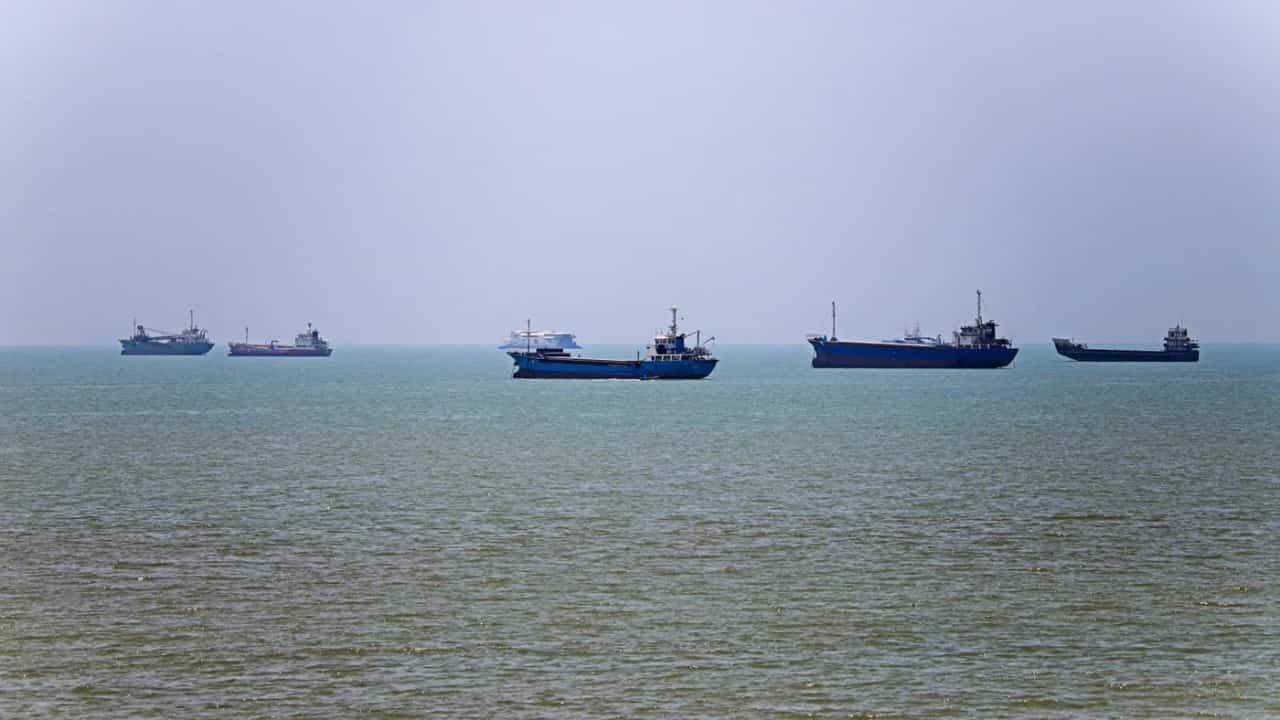
- Vessel traffic in the Strait of Hormuz fell to an eight-vessel, three-week low on Thursday.
- Seven of the eight vessels used the Iranian shipping lane.
- India-bound ships represented 20% of outbound transit requests, second to China's 21%.
- India was the largest country of origin for vessels entering the Gulf, at 21% of requests.
- The European Union and Gulf states urged Iran to permanently open the Strait of Hormuz without conditions.
Vessel traffic through the Strait of Hormuz decreased to a three-week low of eight vessels on Thursday, according to ship-tracking platform MarineTraffic. Seven of the eight transits utilized the Iranian shipping lane, with no vessels crossing via the Omani route. Half of all crossings were by Iranian-flagged ships.
Vessels traveling to and from India accounted for a significant share of transit requests through Iran-designated routes in the three weeks following June 17. India-bound ships represented 20 percent of outbound transit requests, second only to China at 21 percent. For vessels entering the Gulf, India was the largest country of origin, accounting for 21 percent of requests. The PGSA reported receiving over 200 transit permits and insurance applications from non-Iranian vessels during this period. Tankers comprised 41 percent of requests, followed by bulk carriers at 27 percent and container ships at 18 percent.
The European Union and Gulf states have called on Iran to permanently open the Strait of Hormuz without conditions or fees.