Key facts
- Lee Cheuk-yan and Chow Hang-tung, former leaders of the Hong Kong Alliance, are on trial under a national security law.
A verdict is expected Friday in the trial of two former organizers of Hong Kong's annual Tiananmen vigil, Lee Cheuk-yan and Chow Hang-tung. They face charges of inciting subversion under a national security law imposed by Beijing.
The trial and its outcome are seen as a critical test of Hong Kong's civil liberties and judicial independence under the national security law, potentially signaling the extent to which the city's legal system aligns with mainland China's.
A verdict is anticipated on Friday in the trial of two former organizers of Hong Kong's annual vigil commemorating the 1989 Tiananmen Square crackdown. Lee Cheuk-yan and Chow Hang-tung, ex-leaders of the now-disbanded Hong Kong Alliance in Support of Patriotic Democratic Movements of China, face charges of inciting subversion under a national security law imposed by Beijing. They were charged in September 2021 and pleaded not guilty when their trial began in January.
Prosecutors contend that the activists incited others to use unlawful means to topple China’s fundamental system and central political bodies, specifically citing calls for "ending one-party rule." The defense has denied this, arguing the slogan was about advocating for democracy and urging the party not to enforce "dictatorship," and that the alliance did not promote illegal actions.
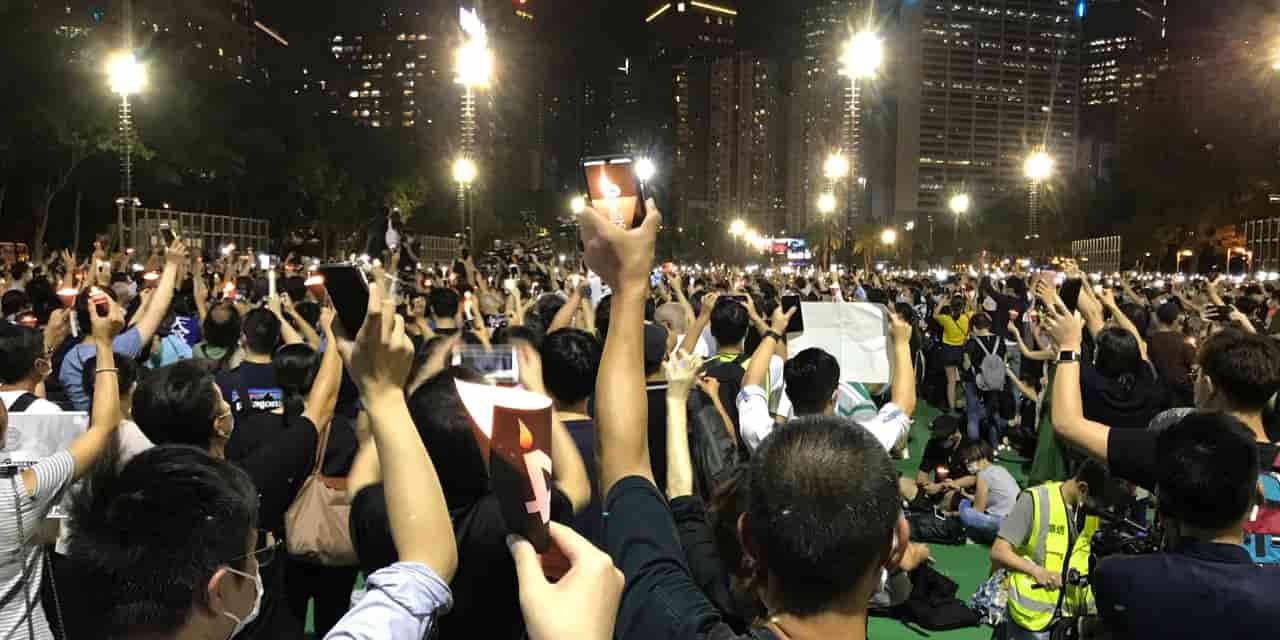
The annual vigil, which ran for three decades and was the only large-scale public commemoration of the Tiananmen crackdown in China, was banned in 2020. Beijing subsequently imposed the national security law, which has been used to prosecute numerous activists and led to the disbandment of many civil society groups. Critics view the trial as a significant indicator of Hong Kong's diminishing civil rights and judicial independence, with the charge of inciting subversion being commonly used in mainland China to criminalize dissent.