Key facts
- The 11 Skies project has approximately 3.8 million square feet of gross floor area.
- The total investment in 11 Skies is around HK$20 billion.
- New World Development may be obligated to pay the Airport Authority an annual guaranteed rent of HK$1.8 billion from 2028, or 30% of gross revenue, whichever is higher.
- New World Development's net debt is reported to be over HK$120 billion.
The 11 Skies commercial complex in Hong Kong, a flagship project envisioned as a cornerstone of the airport city vision, is struggling with low visitor numbers and significant financial headwinds. A reporter's visit in early October found dim, stuffy corridors and poor air conditioning, a stark contrast to the adjacent, bustling Hong Kong International Airport's Terminal 2.
The project's original strategy relied on capturing airport traffic and cross-border flows, but this has been undermined by Hong Kong's social disruption, the pandemic, a weak retail recovery, higher interest rates, and a prolonged property downturn. Shifting consumer habits have made previously bankable footfall contingent, weakening pre-leasing momentum and making occupiers more cautious.
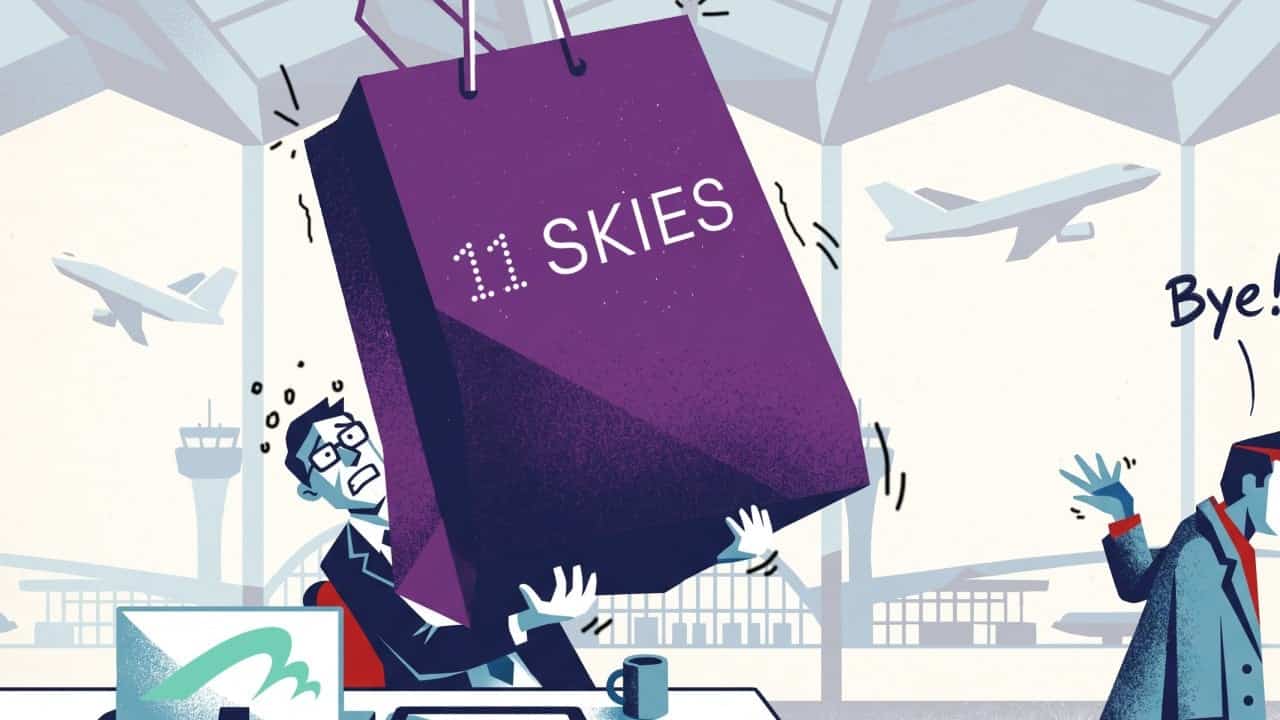
Financially, 11 Skies has become a balance-sheet problem for developer New World Development. Reports indicate a crucial clause requires New World to pay the Airport Authority an annual guaranteed rent of HK$1.8 billion from 2028, or 30% of annual gross revenue, whichever is higher, extending to 2066. This fixed obligation is particularly burdensome for New World, which is already managing over HK$120 billion in net debt and facing heavy financing costs.
A potential transfer of most of the project's retail and dining space to the Airport Authority is being viewed as a triage measure. This move would allow New World to reduce its exposure to the guaranteed rent stream, potentially preventing a structurally weak asset from jeopardizing its broader refinancing efforts. The developer's net debt exceeds HK$120 billion, and financing costs remain significant, eroding operating profit from property sales and investments.
Further complicating matters, Blackstone reportedly withdrew from a proposed $4 billion partnership with New World due to disagreements over control. This highlights that external investors may require greater governance, stronger economics, or more influence than New World may be willing to cede.