Key facts
- HKEX has halved market capitalization thresholds for weighted voting rights (WVR) listings.
- Companies with a market cap of HK$20 billion can now qualify for a WVR listing, down from HK$40 billion.
- Companies valued at HK$6 billion with HK$600 million in annual revenue also qualify for WVR listings.
- Confidential filing arrangements are now available to all listing applicants.
- HKEX will disclose sponsors and advisers for listing applications returned due to deficiencies.
- The reforms aim to enhance Hong Kong's competitiveness as a global listing destination.
Hong Kong has implemented significant reforms to its listing framework, lowering financial thresholds and expanding confidential filing options to bolster its position as a global fundraising hub. The changes, effective Friday, aim to attract more technology and high-growth companies, including startups, amid intense competition from exchanges in the United States and mainland China.
Key amendments include halving the market capitalization requirements for companies seeking to list with weighted voting rights (WVR). The threshold is now HK$20 billion, down from HK$40 billion. Alternatively, companies valued at HK$6 billion with at least HK$600 million in annual revenue can qualify, a reduction from the previous HK$10 billion market value and HK$1 billion revenue.
Furthermore, HKEX has extended confidential filing arrangements to all listing applicants, allowing companies to prepare for IPOs without immediately disclosing sensitive information. Previously, this was limited to secondary-listed companies and specific issuers in technology and biotechnology.
These reforms, which followed a market consultation, also aim to improve the quality of IPO applications by increasing accountability among intermediaries. HKEX will disclose the names of sponsors and advisers for applications returned due to substantial deficiencies. The exchange also broadened eligibility for overseas companies seeking secondary or dual primary listings and adjusted requirements for specialist technology firms.
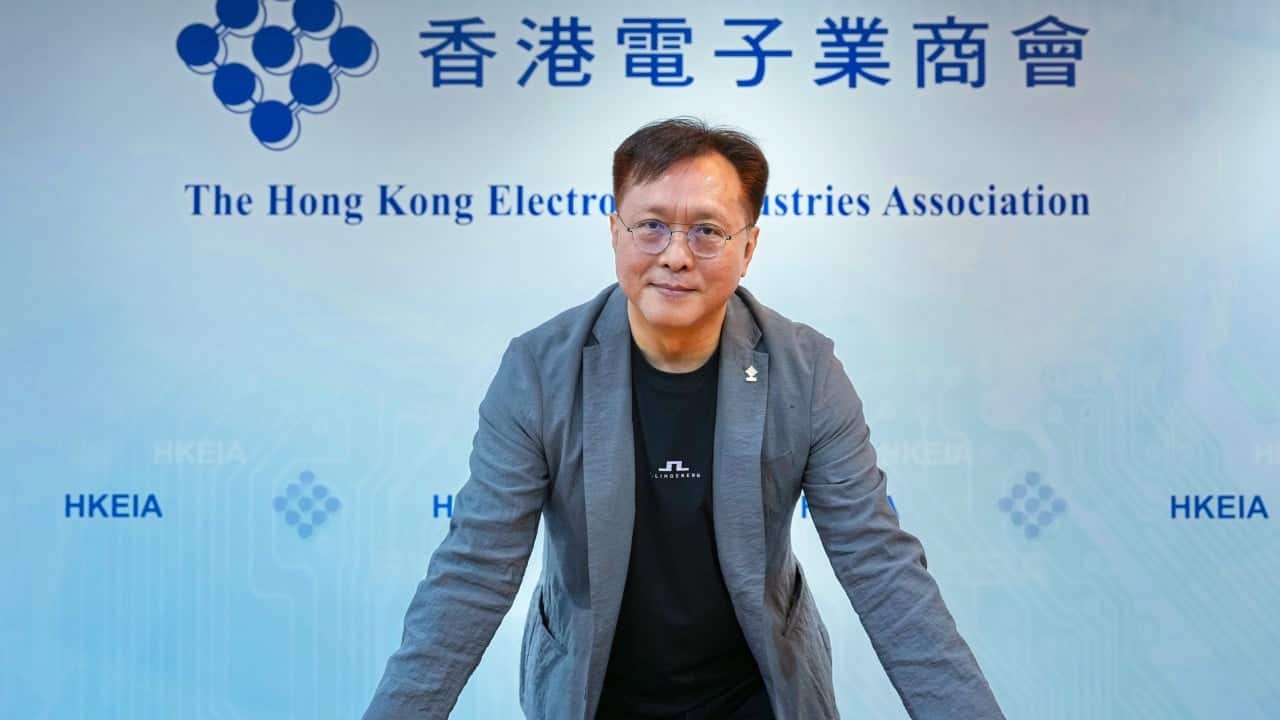
According to Samson Tam Wai-ho, honorary chairman of the Hong Kong Electronic Industries Association, Hong Kong currently has only about 100 active angel funds, significantly fewer than Shenzhen's approximately 400. He suggested that easing listing rules and transaction requirements is crucial for Hong Kong to attract more angel funds and become a global hub for startups.