Key facts
- BMW's China sales fell 30% in the second quarter, contributing to a profit warning.
- Analysts and shareholders believe BMW has been too slow to adapt to China's rapidly evolving EV market.
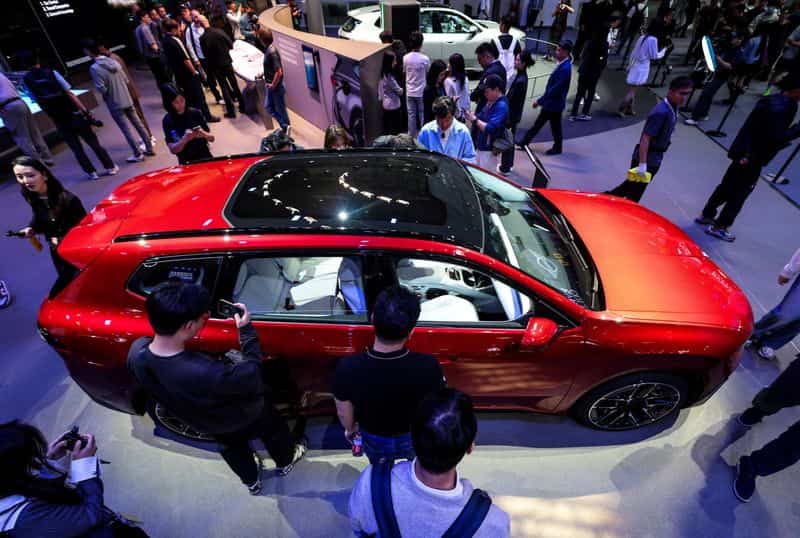
- Chinese EV brands like Nio are developing sophisticated vehicles much faster than traditional automakers.
- Only 5% of BMW's sales in China are fully electric, compared to 46% market share for EVs.
- BMW's first Neue Klasse model for China, the iX3 SUV, is set for a November launch.
- BMW's average transaction price in China is lower than local premium brands, with price cuts implemented.
BMW is struggling to regain traction in China's highly competitive electric vehicle market, with sales falling significantly in the second quarter. The German automaker's long-awaited Neue Klasse electric cars are seen by some analysts as arriving too late to challenge domestic rivals like Nio, which are known for their rapid development cycles and advanced features tailored to Chinese consumers. While BMW has implemented price cuts and is focusing on integrated digital services, its combustion-engine heritage and product development strategy, largely driven from Munich, are perceived as misaligned with current market demands. The company's reliance on Chinese partners for key technologies like assisted driving highlights the shift in the automotive landscape, where local innovation is increasingly setting the pace.