Key facts
- Honda aims to cut 1.5 trillion yen ($9.4 billion) in costs by 2030.
Honda is instructing suppliers to drastically reduce prices as part of a plan to cut over $9 billion in costs by 2030. The move aims to counter intensifying competition from Chinese automakers, particularly in electric vehicles.
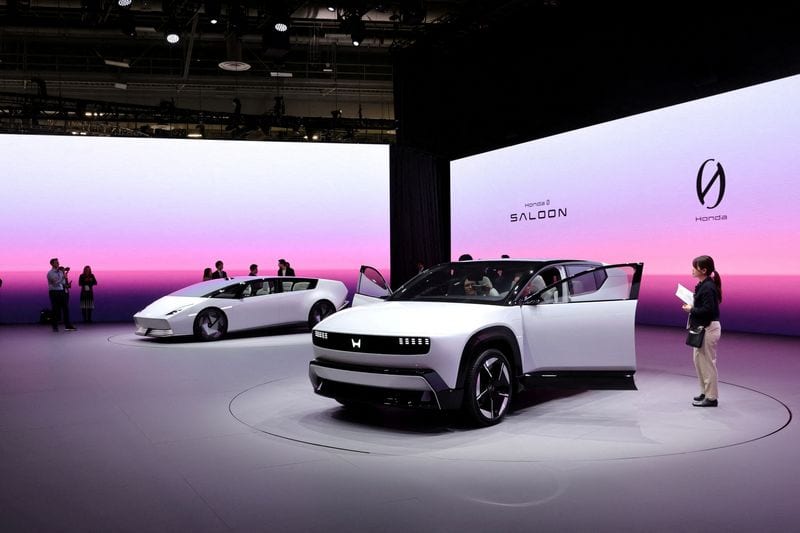
Honda's aggressive cost-cutting strategy highlights the intense pressure Japanese automakers face from Chinese competitors, potentially reshaping global automotive supply chains and pricing dynamics.
Honda is initiating a significant cost-reduction program, aiming to save over $9 billion by 2030, in response to escalating competition from Chinese automakers like BYD. The Japanese manufacturer has instructed its global suppliers to drastically lower prices and has set targets for a 30% cost reduction in key areas such as pressed and forged components, electrical parts, and software-defined vehicle (SDV) components. Honda also plans to increase its sourcing of parts from China to achieve these savings.
The move comes as Honda grapples with substantial EV-related losses, projected to exceed $12 billion, and seeks to revitalize its struggling car business. In a related development, Honda and Nissan announced a collaboration to jointly develop standardized electronic control units for SDVs, with a planned rollout from the 2029 financial year.
Automakers globally, including Honda, are facing pressure from advanced technology and low pricing offered by Chinese EV makers, alongside factors like import tariffs and rising labor expenses. The company's direct suppliers are being asked to review their procurement strategies and utilize standardized parts from lower-tier suppliers to help manage costs.
Pick the topics you care about. Get only what matters, on your cadence.