Key facts
- Chancellor John Healey stated growth is the "pathway out of indebtedness" and central to fiscal stability.
- Healey refused to speculate on tax rises ahead of the October Budget, but reaffirmed Labour's manifesto pledges against increasing income tax, VAT, and national insurance.
- The government plans to cut business administration costs by 25% by 2030 and reform planning rules for nuclear energy.
- A new target aims to double the number of UK unicorn startup companies.
- The British Chambers of Commerce recommended replacing the triple lock pension and cutting employers' national insurance for young workers.
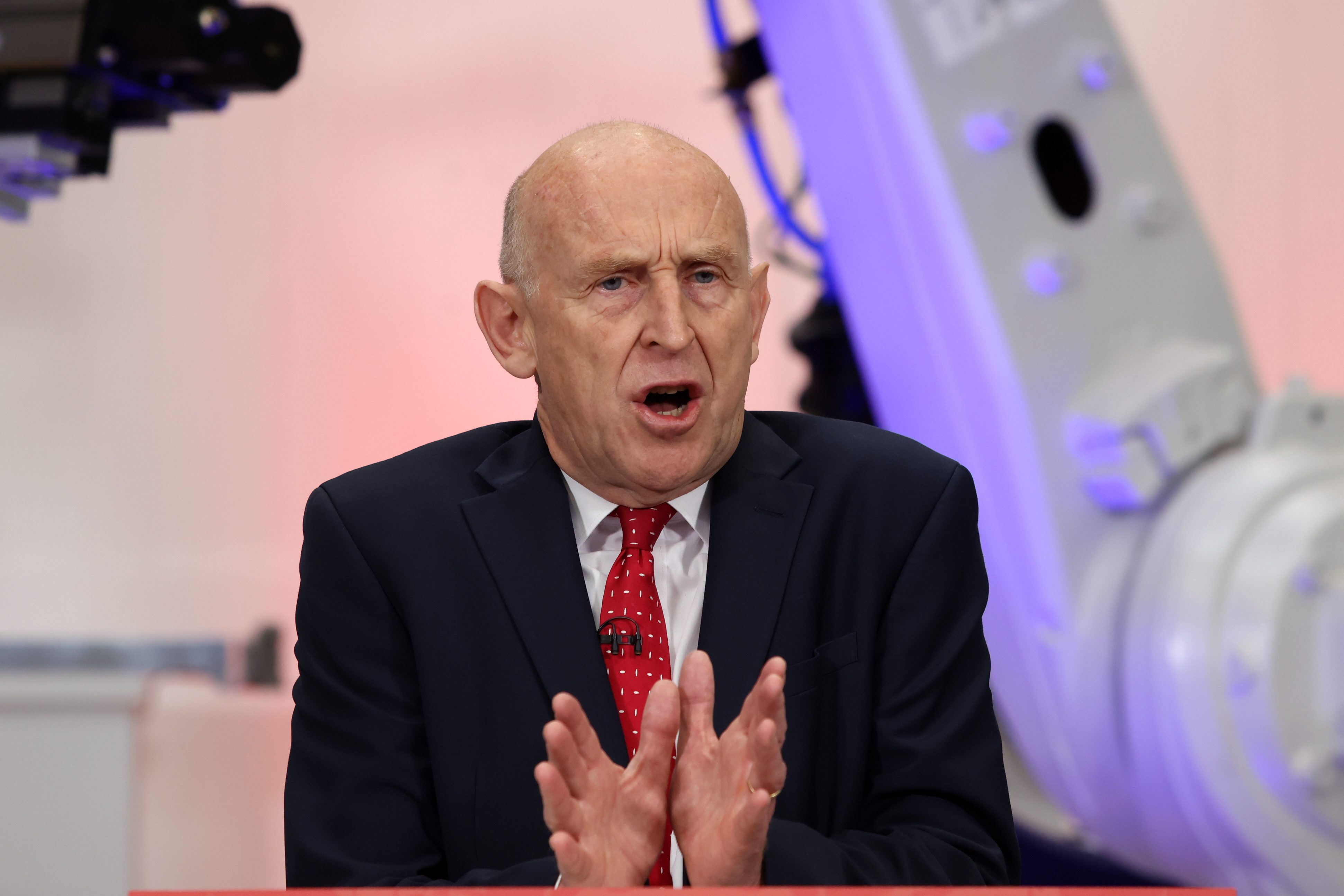
Chancellor John Healey emphasized economic growth as the primary solution to the UK's fiscal challenges, while sidestepping questions about potential tax increases ahead of his maiden Budget. In his first major speech as Chancellor, Healey stated that growth is the "sustainable pathway out of indebtedness and into prosperity."
He reiterated Labour's commitment to not raising income tax, VAT, or national insurance, as promised in their 2024 manifesto. However, he declined to provide further details on tax policy, stating that responding to such questions would only fuel speculation. Analysts at Pantheon Macroeconomics and other City institutions anticipate tax rises are likely due to increased government borrowing costs and expenditure pressures.
Healey outlined several initiatives aimed at boosting growth, including a pledge to cut business administration costs by 25% by 2030 and reforms to planning rules to support nuclear energy production. He also announced a review into railway costs and a revision of Treasury rules to prioritize long-term public infrastructure investments. A new target to double the number of UK unicorn startup companies was also mentioned, with devolution playing a key role in spreading growth beyond London.
The British Chambers of Commerce proposed replacing the triple lock pension and reducing employers' national insurance contributions for individuals under 25 to address youth unemployment. Healey acknowledged the issue of youth unemployment but indicated plans would be based on a forthcoming review by Alan Milburn. Meanwhile, Shadow Chancellor Andrew Griffith criticized Healey for failing to provide clarity on tax policy and for not presenting a concrete plan for welfare reform or adequate defence funding. Coinciding with Healey's speech, Jaguar Land Rover announced it would cut approximately 4,000 jobs.