Key facts
- Hawaii will ban cryptocurrency ATMs and kiosks that accept U.S. currency starting October 1.
- The law, signed by Governor Josh Green, aims to curb scams targeting consumers, especially older adults.
- Hawaii residents lost approximately $80 million to digital asset scams in 2025.
- Investigations by Washington D.C. and Iowa attorneys general found over 93% of examined kiosk transactions were fraudulent.
- Kiosks will still be permitted to dispense cash for digital assets or exchange one digital asset for another.
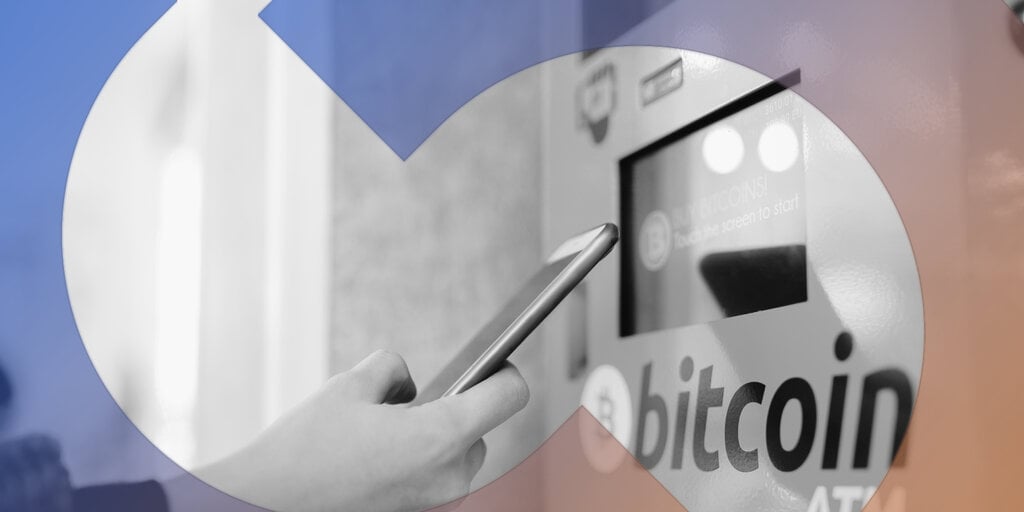
Hawaii is set to ban cryptocurrency ATMs and kiosks that accept cash deposits starting October 1, as Governor Josh Green signed Act 224 into law on July 9. The measure makes it unlawful to operate a kiosk that exchanges U.S. currency for a digital financial asset. This action follows a significant increase in cryptocurrency-related scams, with Hawaii residents reportedly losing approximately $80 million in 2025. Investigations by the attorneys general of Washington D.C. and Iowa revealed that over 93% of transactions at examined kiosks were fraudulent. The FBI's Internet Crime Complaint Center noted 826 crypto complaints from Hawaii in 2025, totaling about $80 million in losses, and 92 kiosk-specific complaints resulting in $3.85 million in adjusted losses. The machines are seen as appealing to criminals due to their anonymity and difficulty in tracing transactions. While cash-in transactions for crypto are prohibited, kiosks can still dispense cash for digital assets or facilitate exchanges between different digital assets. This move aligns Hawaii with other states considering or enacting similar regulations, such as Texas and Delaware, to protect consumers from fraudulent activities.