Key facts
- Hainan province plans to ban the sale of new fossil fuel-powered vehicles by 2030.
- This policy makes Hainan the first provincial-level region in China to prohibit internal combustion engine vehicle sales.
China's Hainan province has reaffirmed its plan to ban the sale of new fossil fuel-powered vehicles by 2030, aiming to become the first provincial-level region in the country to implement such a prohibition. The move highlights challenges in replacing fuel tax revenue with alternative funding models for road maintenance.
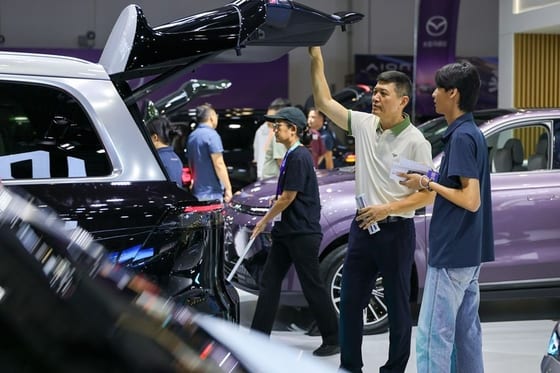
Hainan's ban on fossil fuel vehicle sales by 2030 signals a significant step in China's green transformation and presents a model for other regions, while also highlighting the broader challenge of replacing declining fuel tax revenues with sustainable funding for road infrastructure.
Hainan province has reiterated its commitment to banning the sale of new fossil fuel-powered vehicles by 2030, positioning itself as China's first provincial-level region to implement such a measure. This policy, detailed in the 15th Five-Year Plan for the construction of Beautiful Hainan, aims to accelerate the transition to new-energy vehicles (NEVs).
The plan mandates that by 2030, the share of NEVs in Hainan's vehicle fleet will rise to 45%, up from an estimated 23.75% in 2025. All newly added and replacement vehicles in public services and social operations, with exceptions for special-purpose vehicles, must utilize clean energy. Similarly, all new and replacement private vehicles are to be NEVs by the end of the plan period. The policy specifically targets new vehicle sales, allowing registered fossil-fuel vehicles to continue operating and undergoing inspections after 2030.
To support this transition, Hainan plans to enhance its charging infrastructure, aiming for a province-wide vehicle-to-charging-pile ratio of no more than 2.5:1 by 2030. The province will also explore the application of fuel cell vehicles in sectors like heavy-duty trucks and logistics, and develop zero-carbon freight corridors. These initiatives are part of Hainan's broader strategy to achieve its carbon emissions peak before 2030 and increase the proportion of non-fossil energy in its total energy consumption to 35% by the same year.
Experts note that Hainan's island economy and clear mobility patterns provide a unique advantage for piloting this transition. The adoption of NEVs is expected to stimulate growth in related industries such as clean energy, energy storage, and smart transportation, helping Hainan leverage its ecological strengths for economic development and position its Free Trade Port as a platform for low-carbon initiatives.
Pick the topics you care about. Get only what matters, on your cadence.