Key facts
- Greek Prime Minister Kyriakos Mitsotakis will announce over €2 billion in tax breaks, pay rises, and other handouts.
- The measures are intended to boost incomes and recover lost ground in opinion polls ahead of next year's election.
- The package equals 1% of GDP and includes pension increases, a new rise in minimum salary, tax breaks for the self-employed and small businesses, and relief for farmers.
- The measures will be financed by strong economic growth, a higher-than-expected budget surplus, and improved tax collection.
- The package will come into force in 2026 and 2027, with some tax breaks extending over four years.
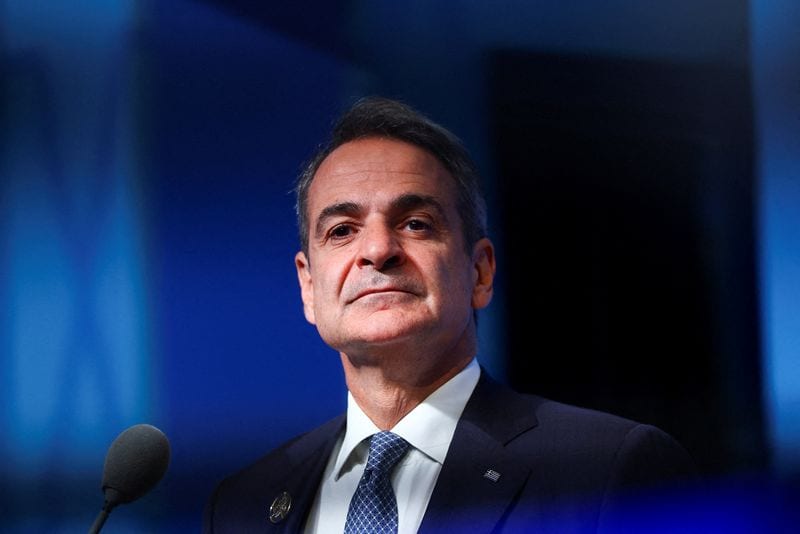
Greek Prime Minister Kyriakos Mitsotakis is set to announce a package of over €2 billion in tax breaks, pay rises, and other financial measures on Saturday. The announcement comes as Mitsotakis seeks to regain political favor ahead of next year's elections, with his center-right government's support having slipped amid a cost-of-living crisis and corruption allegations. The measures, which represent 1% of Greece's GDP, are designed to boost incomes across various social groups, including farmers, and will be implemented in 2026 and 2027.
Officials stated that the package will include increased pensions, a higher minimum wage, tax relief for the self-employed and small businesses, and support for farmers. These initiatives are expected to be financed through strong economic growth, a larger-than-anticipated budget surplus, and enhanced tax collection. Some tax breaks are planned to extend over a four-year period.
Greece's economy is currently growing at an annual rate of 2%, surpassing the Eurozone average. The country anticipates a primary surplus of approximately 4% of GDP this year, nearly double the initial forecast, providing the necessary fiscal room for these new measures. However, Greece's unemployment rate stands at 7.9%, higher than the EU average of 6.1%, and its GDP per capita remains among the lowest in the bloc. The average monthly income has not significantly increased since 2009, while the cost of essential goods and housing has risen substantially.