Key facts
- Goldman Sachs CEO David Solomon supports the CLARITY Act, citing the need for regulatory certainty and market stability.
- The bill's provisions regarding stablecoin yields are opposed by many traditional banks, including JPMorgan Chase.
- Opponents argue that stablecoin yield provisions could lead to deposit outflows from insured accounts and harm lending.
- The CLARITY Act has passed the House and is moving towards a vote in the Senate.
- Some Democrats have raised concerns about the bill's ethics provisions and consumer protection measures.
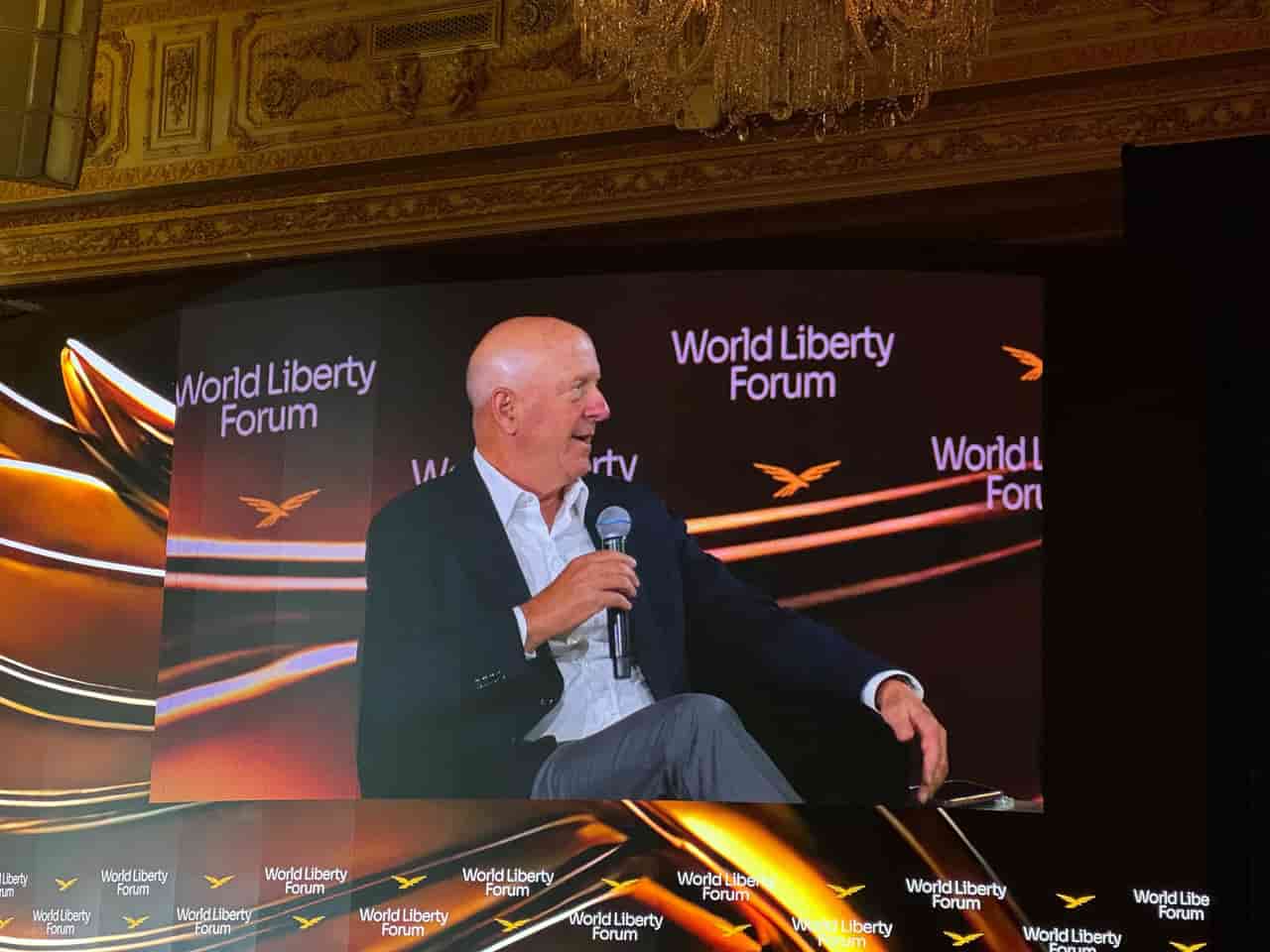
Goldman Sachs CEO David Solomon has publicly endorsed the Digital Asset Market Clarity (CLARITY) Act, a cryptocurrency market structure bill currently under consideration in the U.S. Senate. Solomon stated the bill is "not perfect" but is necessary for creating regulatory certainty, enhancing market stability, and allowing digital asset markets to develop appropriately. His support is notable as many traditional financial institutions and banks have expressed opposition to certain provisions. The primary point of contention for many in the banking industry, including JPMorgan Chase CEO Jamie Dimon and the American Bankers Association, centers on the bill's provisions related to stablecoin yields. These groups argue that allowing crypto companies to offer interest on stablecoins without the same regulatory protections as traditional financial institutions could lead to deposit outflows from insured accounts and negatively impact local lending. Despite these concerns, Solomon indicated that the bill's aim to create a "level playing field" is crucial. The CLARITY Act has advanced through the House and the Senate Banking Committee, with Senate leaders aiming for a floor vote soon. However, the bill faces challenges, including Democratic opposition to its ethics provisions, which some argue do not go far enough and could protect President Trump's reported crypto earnings. Senator Elizabeth Warren has been particularly critical, stating the bill fails to adequately protect investors, the financial system, and national security.