Key facts
- Autonomous weapons systems risk removing human control over the use of force in conflict.
- Activists cite potential for civilian casualties due to inaccurate or outdated AI targeting data.
- The 'Stop Killer Robots' coalition advocates for a ban on machines selecting and engaging targets without oversight.
- There is no international treaty or common definition regulating autonomous weapons.
- Major powers like the US, Israel, Russia, and China are hesitant to ban these systems.
- The UN and ICRC have renewed calls for a treaty governing autonomous weapons.
The global community faces a critical juncture regarding the development and deployment of autonomous weapons systems, often referred to as 'killer robots.' These systems, capable of selecting and engaging targets without direct human intervention, raise profound ethical and humanitarian concerns. Activists and international organizations, such as the 'Stop Killer Robots' coalition and Human Rights Watch, are campaigning for a ban, drawing parallels to past successful efforts to regulate landmines and cluster munitions.
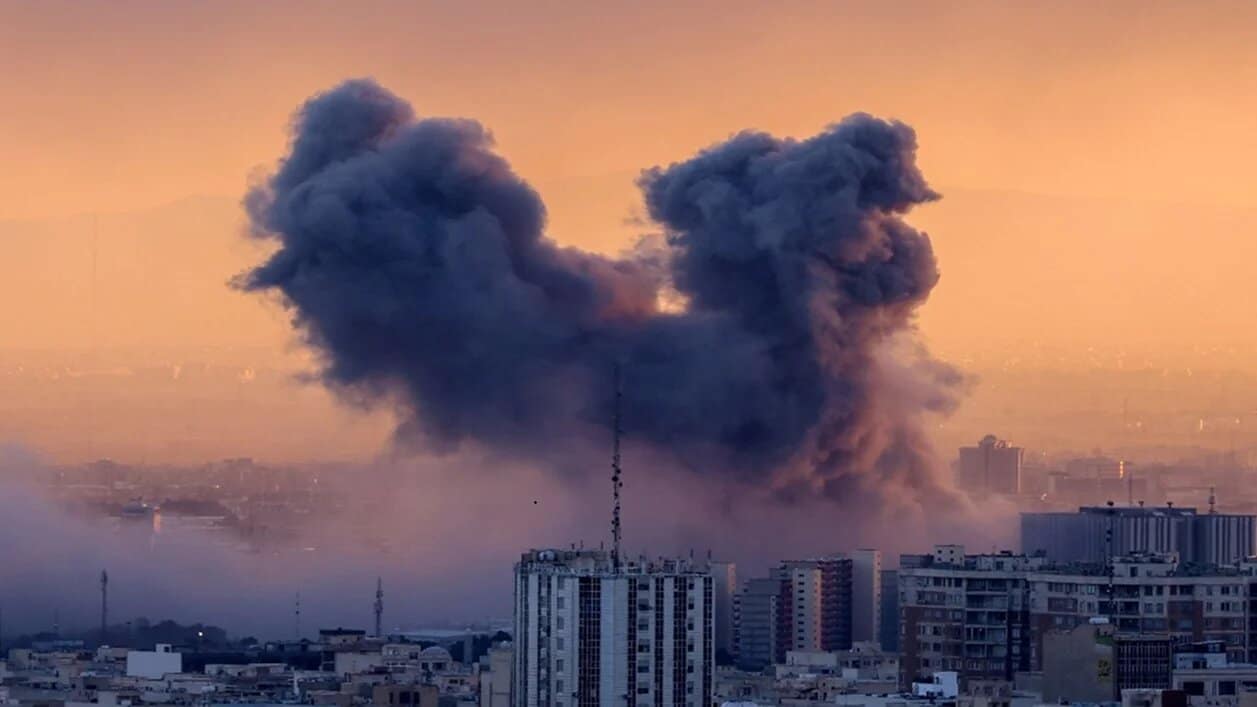
Executive director of Stop Killer Robots, Nicole van Rooijen, highlighted the inherent danger of systems designed solely to kill, emphasizing that their actions are entirely dependent on the data they receive. She pointed to incidents like the US airstrike on a school in Minab, Iran, as devastating examples of how inaccurate or outdated intelligence fed into AI can lead to catastrophic civilian casualties, particularly in volatile conflict zones where real-time verification is difficult. Specialists estimate the reliability of such AI targeting systems to be as low as 25-50%, akin to indiscriminate carpet bombing.
Furthermore, the deployment of autonomous weapons could significantly lower the threshold for initiating conflict, as nations might be less hesitant to engage in hostilities if they do not risk their own soldiers' lives. Van Rooijen suggested that the perceived ability to conduct rapid, automated strikes could embolden nations to engage in conflicts they might otherwise avoid.
Bonnie Docherty, a senior arms advisor at Human Rights Watch and a key figure in the negotiations for the Convention on Cluster Munitions, expressed a sense of déjà vu, noting that arguments against regulating autonomous weapons mirror those made against banning cluster munitions. She stressed that machines cannot grasp the value of human life, making the delegation of lethal decision-making ethically unacceptable. Docherty also warned that AI systems can perpetuate and amplify algorithmic biases, potentially leading to discriminatory targeting based on race, gender, or disability.
Despite these concerns, major global powers, including the US, Israel, Russia, and China, along with the tech industry, are reportedly reluctant to surrender weapons that could provide a strategic advantage. This resistance mirrors the challenges faced during the cluster munitions treaty negotiations. The United Nations secretary-general and the International Committee of the Red Cross (ICRC) have reiterated their urgent calls for a treaty governing autonomous weapons, warning that the world is approaching a 'moral red line.' The ICRC observes an increasing integration of autonomy into weapons systems across various conflicts, impacting both defensive and offensive operations.
States are expected to discuss these issues at the Seventh Review Conference of the Convention on Certain Conventional Weapons (CCW) in Geneva in November.