Key facts
- Germany's ruling coalition agreed on a reform package valued at €10 billion annually.
- The package includes tax relief for lower-income earners, pension system changes, and stricter sick leave regulations.
- The top income tax rate will increase to 47% for individuals earning over €280,000 annually.
- The reforms aim to reduce bureaucracy and boost investment in housing.
- The measures are expected to be passed by parliament by the end of the year.
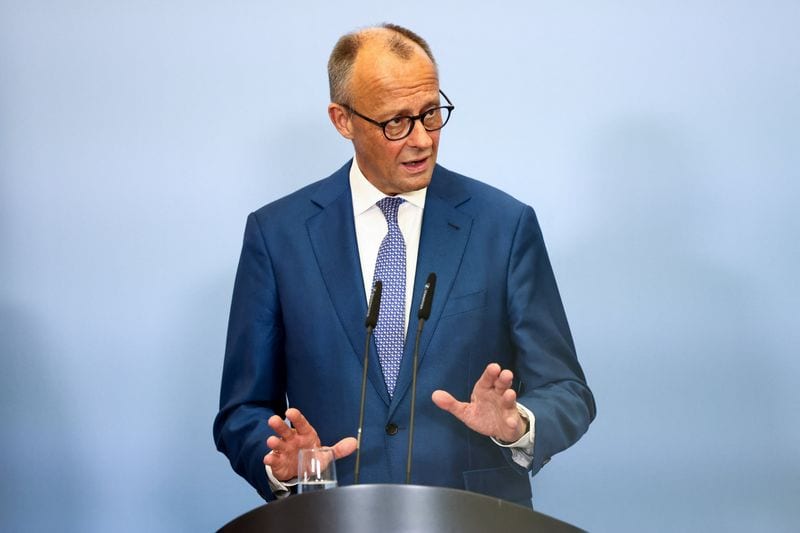
Germany's ruling coalition, led by Chancellor Friedrich Merz, has agreed on a comprehensive reform package aimed at stimulating the nation's economy. The deal includes approximately €10 billion in annual tax relief, primarily for lower-income earners and working families, alongside significant changes to the pension system and stricter rules for employee sick leave. The package also features measures to cut red tape and boost investment in housing.
The tax relief is expected to provide an average family with €600 annually. To fund this, the top income tax rate will increase to 47% from 45% for individuals earning €280,000 or more per year. The reforms aim to enhance business competitiveness and flexibility, with economists suggesting that if fully implemented, they could nearly double Germany's trend growth rate from 0.4% to 0.7%.
Key measures include faster approval processes for infrastructure projects, abolition of some reporting requirements, and an action plan against benefit fraud. However, the new sick leave policy, requiring a doctor's certificate from the first day of absence, has drawn criticism from the services union Verdi and the German Association of General Practitioners.
Economists and business leaders view the package as a positive step, with Deutsche Bank CEO Christian Sewing calling it a 'very successful opening move.' However, some, like Carsten Brzeski of ING, caution that the reforms will not transform a stagnating economy overnight and that their full impact may take time to materialize, potentially beyond the current government's term.