Key facts
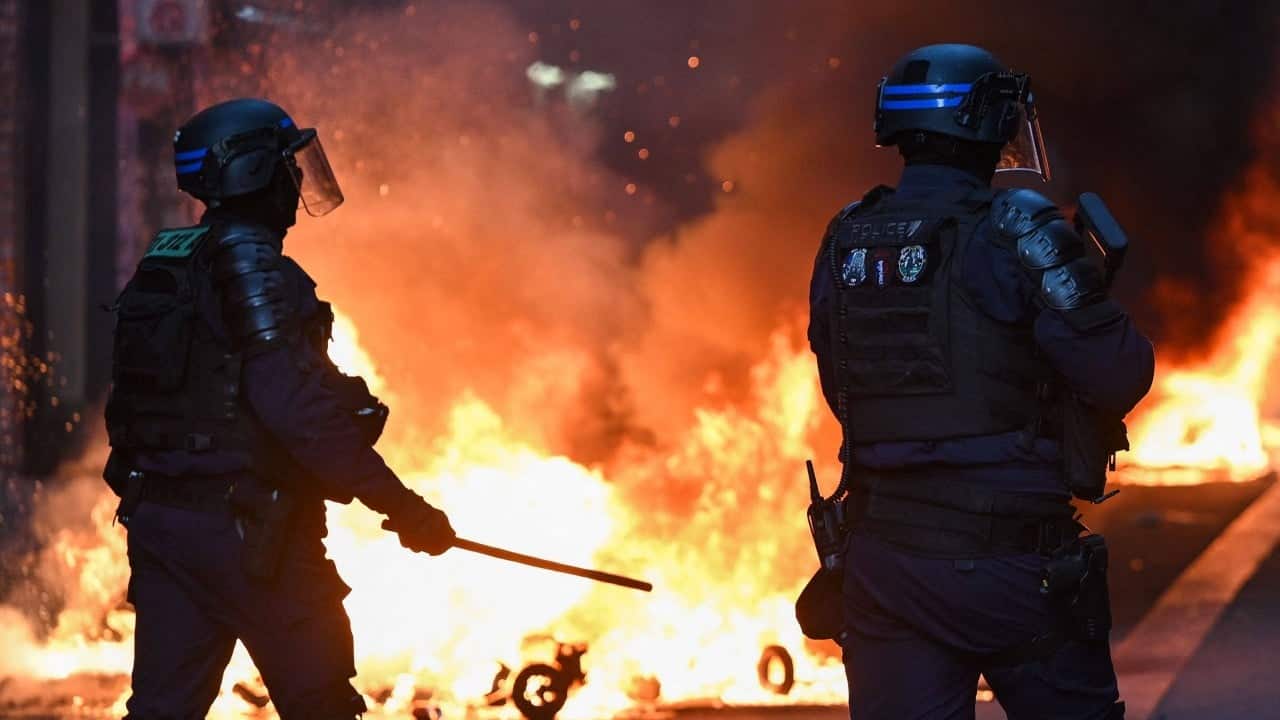
- Riots across France resulted in hundreds of millions of dollars in property damage and theft.
- Over 2,400 arrests were made during the weekend's violence.
- More than 6,000 arrests were made during prior school protests.
- Marine Le Pen is leading in polls for the upcoming presidential election.
The social unrest roiling France is being closely watched for a possible spillover effect beyond the country’s borders that could reshape European politics, Chinese analysts said. The crisis is a major stress test for French politicians as they navigate deep-seated economic and societal tensions in the run-up to the country’s presidential election in April next year.
French Prime Minister Sebastien Lecornu described the situation as a "mess," following widespread rioting over the weekend that caused hundreds of millions of dollars in property damage and theft. The disorder occurred in major cities including Paris, Marseille, and Bordeaux, with the city hall in Limoges being badly damaged by fire. Interior Minister Laurent Nuñez offered his resignation due to the police's failure to contain the rioting.
The violence followed weeks of protests by students over issues such as crumbling schools and job prospects, which led to over 6,000 arrests. More demonstrations are scheduled, and labor unions plan to strike in November, signaling a potentially difficult winter ahead of the presidential election.
Far-right presidential candidate Marine Le Pen has sought to focus the debate on migration, blaming the violence on delinquents from France’s banlieues, and suggesting only her party could restore order. Her party's president, Jordan Bardella, called for certain far-left groups to be designated as terrorist organizations.