Key facts
- Foreign investors and entrepreneurs are visiting China to study its advancements in humanoid robots, AI models, and electric vehicles.
- These visits are driven by concerns about a potential "China shock 2.0" and China's growing technological prowess.
- A growing industry offers organized tours, with some charging up to $15,000 for multi-day programs.
- China's government is promoting industrial tourism, with factories like Xiaomi's EV plant attracting hundreds of thousands of visitors.
- The trend highlights a global race for technological leadership, with European executives expressing unease about falling behind.
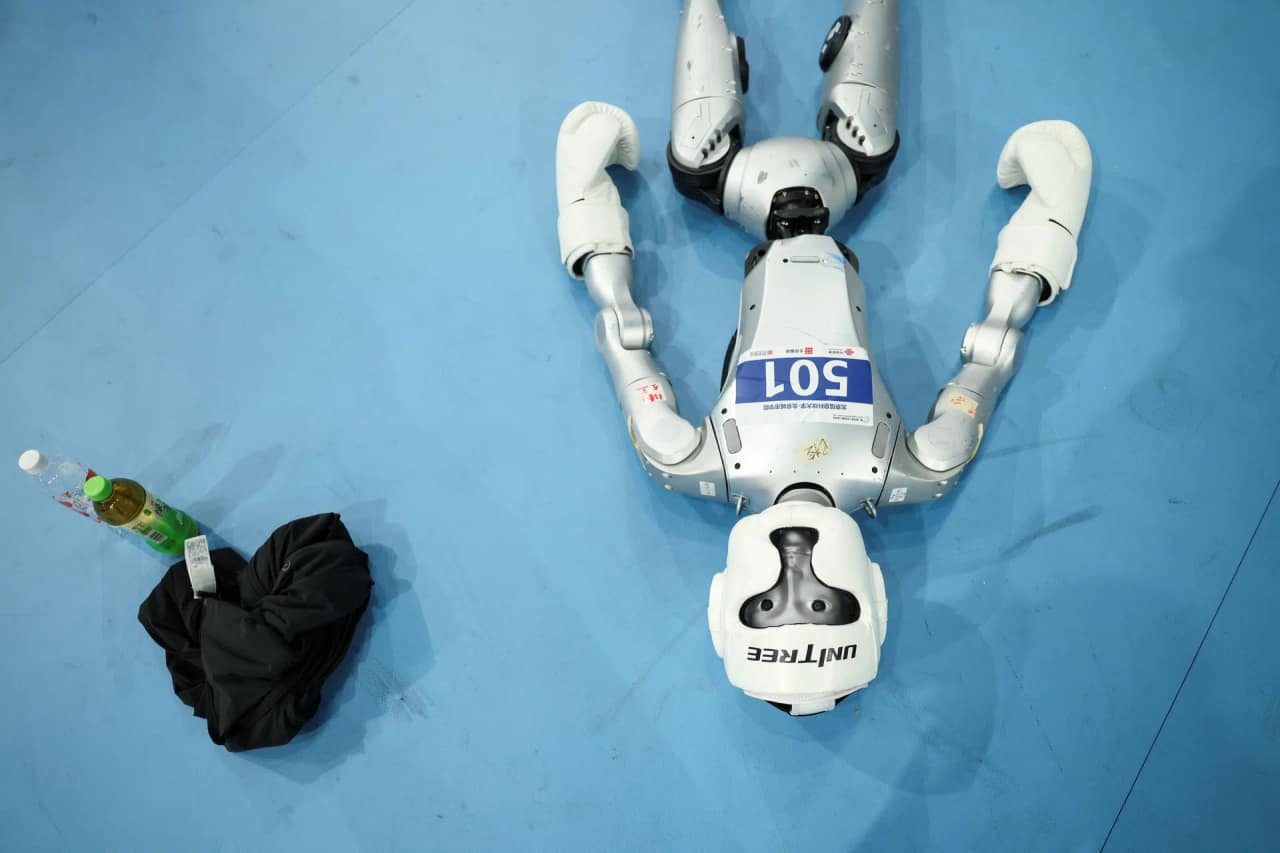
A new wave of foreign visitors, including investors and entrepreneurs, are traveling to China to witness its advancements in humanoid robots, artificial intelligence models, and electric vehicle production. This trend is fueled by concerns of a "China shock 2.0," suggesting Chinese companies may be taking the lead in advanced manufacturing and cutting-edge technologies.
These visitors are paying substantial amounts, sometimes thousands of dollars, for rare access to Chinese factories, seeking to understand the scale and speed of China's innovation. A growing industry of tour organizers caters to this demand, with some programs costing up to $15,000 for a five-day itinerary. Participants come from various regions, including Southeast Asia, Europe, and Singapore.
Notable figures and firms known to have made these visits include U.S. investment firms Dimension, Capital Group, and Thrive Capital, as well as tech podcaster Lex Fridman. While specific data on tech tours is limited, the broader industrial tourism sector in China is experiencing significant growth, with projections indicating substantial revenue increases by 2029.
China's government is actively supporting this trend by promoting industrial tourism and designating official demonstration sites. Factories like Xiaomi's electric vehicle plant have seen immense visitor numbers, with demand so high that entry slots are being resold. European executives, in particular, are reportedly feeling a sense of unease about falling behind in crucial technological areas like AI and robotics, making China a key destination for study and learning.
Organizers frame these visits as essential due diligence, noting that even those not actively investing in China are likely to encounter Chinese companies as competitors, partners, or suppliers globally. The tours typically cover industrial hubs like Beijing, Shenzhen, Shanghai, Hangzhou, and Hefei, which are central to China's boom in EVs, batteries, AI, and robotics.