Key facts
- Former Ukrainian Defense Minister Mykhailo Fedorov submitted requests for EU loan funds to acquire anti-ballistic missiles.
Former Ukrainian Defense Minister Mykhailo Fedorov submitted requests for EU loan funds to acquire anti-ballistic missiles, including U.S.-made PAC-3s, shortly before his dismissal. The move aims to bolster Ukraine's air defense against Russian ballistic missiles, though it may face scrutiny due to his controversial exit.
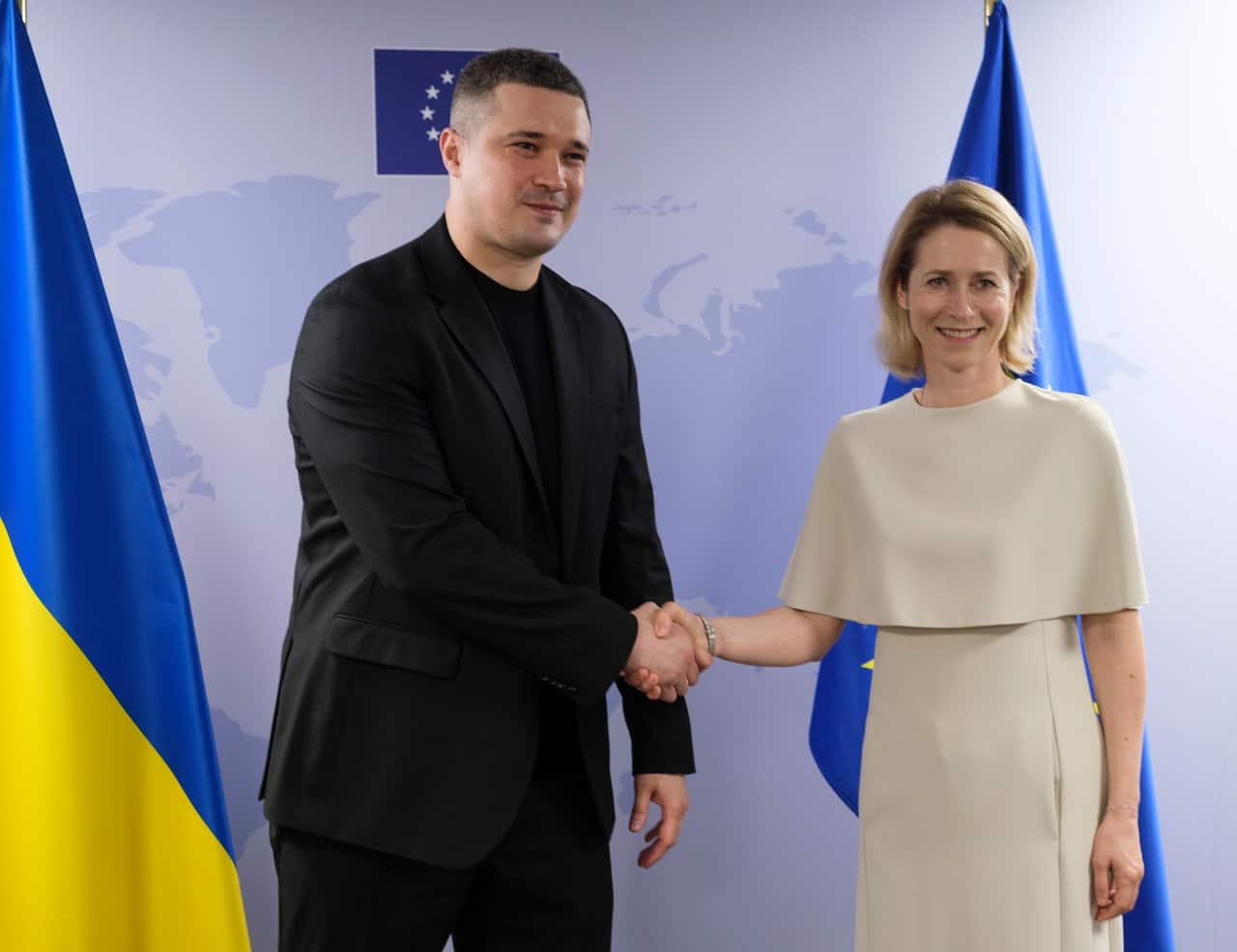
This development highlights Ukraine's urgent need for advanced air defense systems and its efforts to secure them through international financing, even amidst internal political shifts. The potential use of EU loans for non-European weaponry could set a precedent and influence future defense procurement strategies.
Former Ukrainian Defense Minister Mykhailo Fedorov took steps to secure billions in EU loan funds for anti-ballistic missile technology, including U.S.-made PAC-3 missiles, shortly before his dismissal. Fedorov, who was removed from his post by President Volodymyr Zelensky on July 15, stated he had applied for PAC-3 missiles through an EU loan mechanism. Ukraine is facing a severe shortage of these missiles, which are crucial for intercepting Russian ballistic missiles targeting civilian areas.
European Commission President Ursula von der Leyen announced defense support for Ukraine during a visit on July 15. While some of this support includes "medium and long-range deep strike missiles," the PAC-3 missiles are specifically anti-ballistic and not European-made. To procure them using the EU's 90-billion-euro ($103 billion) loan facility, Ukraine needs to specifically request them and seek exemptions for non-EU sourcing.
EU officials confirmed to The Kyiv Independent that Fedorov submitted additional product schedules, formal shopping lists for weapons, before his departure. These schedules reportedly contain a mix of European products and requests for derogations. Bundling requests for both European and U.S. air defense systems could potentially ease concerns among European capitals about their own defense industry benefiting from the loan. Nine EU countries have previously expressed support for Ukraine using EU funds to acquire U.S. weaponry.
However, Fedorov's dismissal, described as controversial, could complicate the approval process. EU Defense Commissioner Andrius Kubilius had previously indicated that such a replacement might raise questions about the underlying reasons, suggesting Fedorov's exit "could weigh on the whole thing."
Pick the topics you care about. Get only what matters, on your cadence.