Key facts
- US inflation may be driven by strong demand, potentially exacerbated by AI investment, Chicago Fed President Austan Goolsbee said.
Chicago Fed President Austan Goolsbee stated on Sunday that strong demand, potentially fueled by AI investment, may be contributing to persistent US inflation. He emphasized that if demand overheats, the Federal Reserve would have "no ambiguity" about raising interest rates further. Goolsbee noted that supply shocks are also proving more persistent than previously expected.
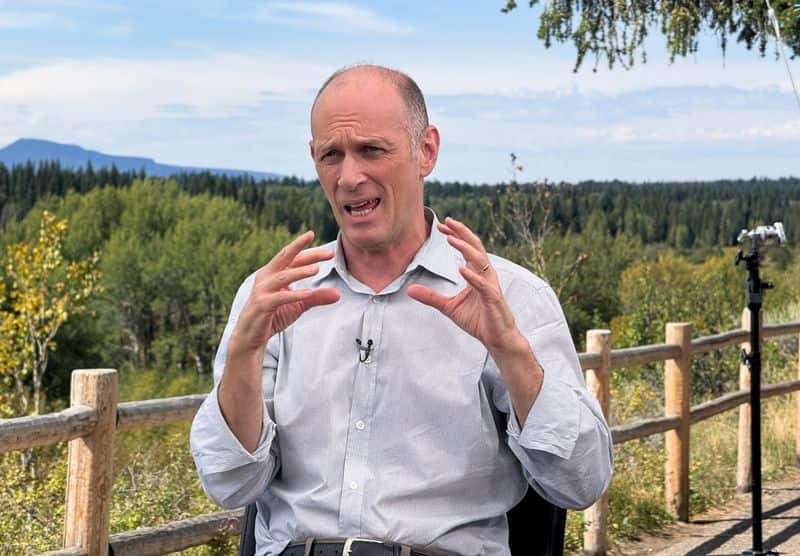
Goolsbee's comments signal that the Federal Reserve remains vigilant about inflation, particularly if strong demand persists or supply shocks continue to impact prices. This suggests a higher likelihood of further interest rate hikes, which could slow economic growth and increase borrowing costs.
Chicago Fed President Austan Goolsbee said on Sunday that strong demand, potentially amplified by investment in artificial intelligence, may be contributing to persistent inflation in the U.S. He indicated that if demand continues to overheat, the Federal Reserve would have "no ambiguity" about the necessity of further interest rate hikes. Goolsbee's remarks, prepared for delivery in London, highlighted that supply shocks, which are theoretically temporary, are proving to have a more lasting influence on inflation than anticipated.
Standard economic thinking suggests that supply shocks, such as those caused by shortages or bottlenecks, are largely self-correcting as industry output recovers. However, Goolsbee pointed to the experience since the COVID-19 pandemic, which suggests these shocks are becoming more frequent and enduring. He noted that forecasters have spent over a year pushing back the expected peak and subsequent fall of inflation, a pattern he described as "not comforting."
Goolsbee emphasized the need for evidence that these shocks are indeed fading, stating that without it, a credible path back to the Fed's 2% inflation target is difficult to discern, and it becomes harder to justify "looking through them." Inflation was most recently estimated at 3.7% for July, showing little recent improvement. He concluded that in such an environment, the only way to return to price stability is "the hard way," implying higher interest rates and the associated risks to economic growth and employment.
The Federal Reserve increased its policy rate by a quarter percentage point last week. In a press conference following the decision, Fed Chairman Kevin Warsh had emphasized the strength of domestic spending and business investment as key aspects of the economy's demand side. Goolsbee, who is not a voter on interest rates this year, did not comment on the outcome of the recent meeting or his specific monetary policy outlook.
Pick the topics you care about. Get only what matters, on your cadence.