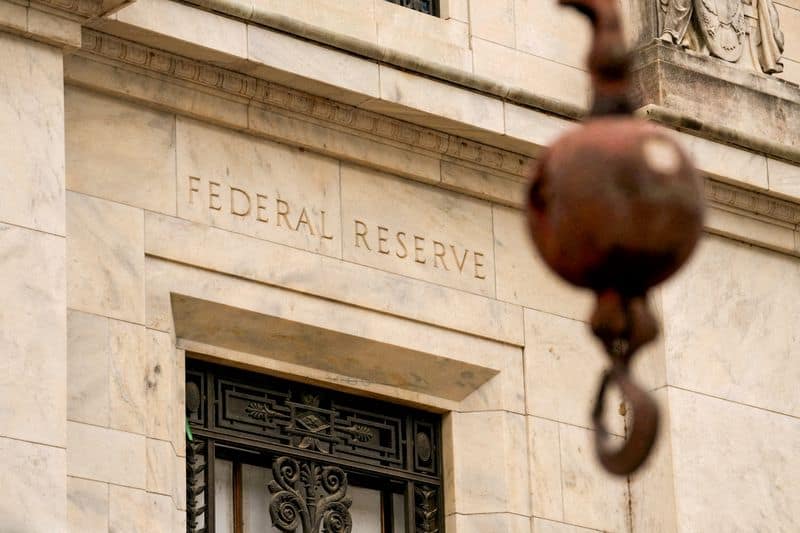
Federal Reserve Governor Lisa Cook indicated on Monday that she anticipates continued inflationary pressures in the upcoming months, attributing them to rising demand associated with artificial intelligence and elevated oil prices. However, she stopped short of definitively stating that additional interest rate increases would be required.
In remarks prepared for a conference on AI and emerging technology, Cook noted that the labor market appears robust enough to withstand further rate increases. She stated that she would consider the necessary policy rate to guide inflation back to the Federal Reserve's 2% target, with future adjustments informed by economic reactions to current policy and incoming inflation and labor data.
The Federal Reserve recently raised its policy rate for the first time in three years to accelerate the return of inflation to its target. Cook was part of the unanimous vote supporting this decision. Policymakers had previously projected one more rate hike by the end of the year to combat inflation, which has exceeded the 2% goal for over five years and has been exacerbated by rising global energy prices amid the ongoing conflict between the US and Iran.
Oil prices saw an approximate 2% increase on Monday following US President Donald Trump's rejection of an Iranian proposal to reopen the Strait of Hormuz. Financial markets are currently pricing in a roughly 75% probability of a Fed rate hike next month, with a strong likelihood of a third consecutive increase in December.
Cook did not explicitly confirm these market expectations in her prepared remarks. She did, however, emphasize that inflation has been persistently high and reported that overall inflation stood at approximately 3.8% for the 12 months ending in August, which is about double the 2% target. She also expects continued inflationary pressure from the AI buildout and the pass-through of higher oil prices and supply chain disruptions linked to the Middle East conflict.
While Cook anticipates that AI-driven productivity gains will contribute to disinflation in the medium term, she believes these benefits will not materialize quickly enough to counteract this year's inflationary pressures. She observed that these effects are already spreading beyond AI-specific sectors.
Cook's remarks also touched upon the economic implications of AI, which she views as a transformative general-purpose technology. She noted a lack of substantial evidence that AI is currently reshaping the labor market's structure but remains highly attentive to its potential to temporarily increase the unemployment rate, a situation the Fed might find difficult to counter with rate cuts due to the risk of fueling inflation.