Key facts
- Richmond Fed President Thomas Barkin indicated that further interest rate hikes are an open question for achieving the 2% inflation target.
- Barkin suggested current interest rates might already be restrictive enough to curb inflation.
- Recent consumer and producer price inflation data has shown unexpected moderation.
- Cleveland Fed President Beth Hammack dissented on the previous decision to hold rates, favoring an immediate hike.
- Concerns exist that prolonged above-target inflation could embed higher price expectations.
- President Donald Trump is calling for lower interest rates.
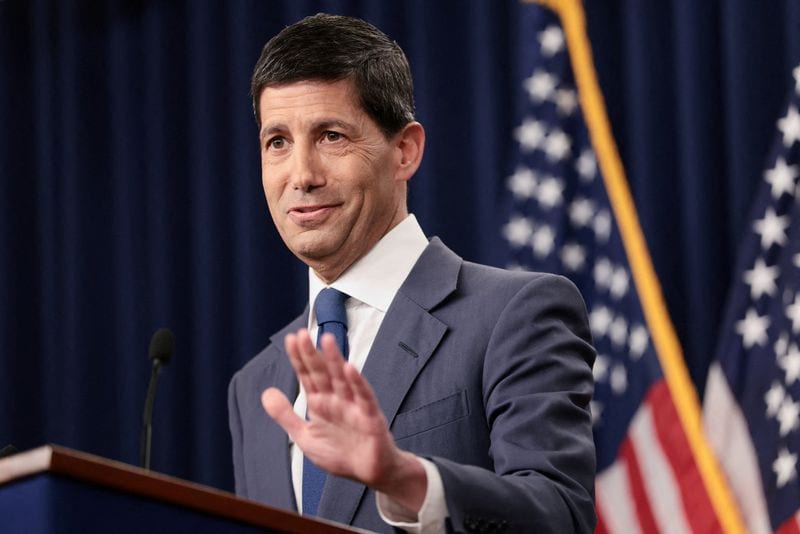
Richmond Fed President Thomas Barkin indicated that it is an open question whether further interest rate hikes will be necessary to achieve the Federal Reserve's 2% inflation target. He suggested that current interest rates might already be sufficiently restrictive to curb inflation, especially as much of the recent price acceleration has been driven by temporary shocks like tariffs and oil price increases.
Recent economic data, including softer-than-expected consumer and producer price inflation and unexpected job losses in July, has complicated the outlook for the Federal Reserve. This cooling data may support a stance of holding rates steady, despite inflation remaining above the Fed's target for an extended period.
However, some policymakers, like Cleveland Fed President Beth Hammack, remain concerned that allowing inflation to persist above the target could embed higher price expectations among consumers and businesses, making the eventual battle to control inflation more difficult. Hammack dissented in the previous meeting, favoring an immediate rate hike to bring inflation down more quickly.
Fed officials will release updated economic projections after their upcoming meeting. While the majority of policymakers in June anticipated inflation to end the year between 2.2% and 2.5%, the recent data suggests a downward trend. President Donald Trump continues to advocate for lower interest rates to stimulate the economy.
Economists like Tim Duy of SGH Macro Advisors warn that the longer inflation remains elevated, the more difficult it becomes to restore the 2% target's credibility. Conversely, Christopher Hodge of Natixis suggests the Fed may avoid a hike due to gradual disinflation, a cooling consumer sector, and a precarious jobs outlook, though he acknowledges the possibility of surprises.