Key facts
- Two Federal Reserve policymakers indicated that interest rates may need to rise again to combat high inflation.
- Philadelphia Fed President Anna Paulson described inflation as "stubbornly elevated".
Two Federal Reserve policymakers indicated that interest rates may need to rise again to combat persistently high inflation. Philadelphia Fed President Anna Paulson suggested modest further tightening might be warranted, while New York Fed President John Williams indicated another rate hike by year-end is likely.
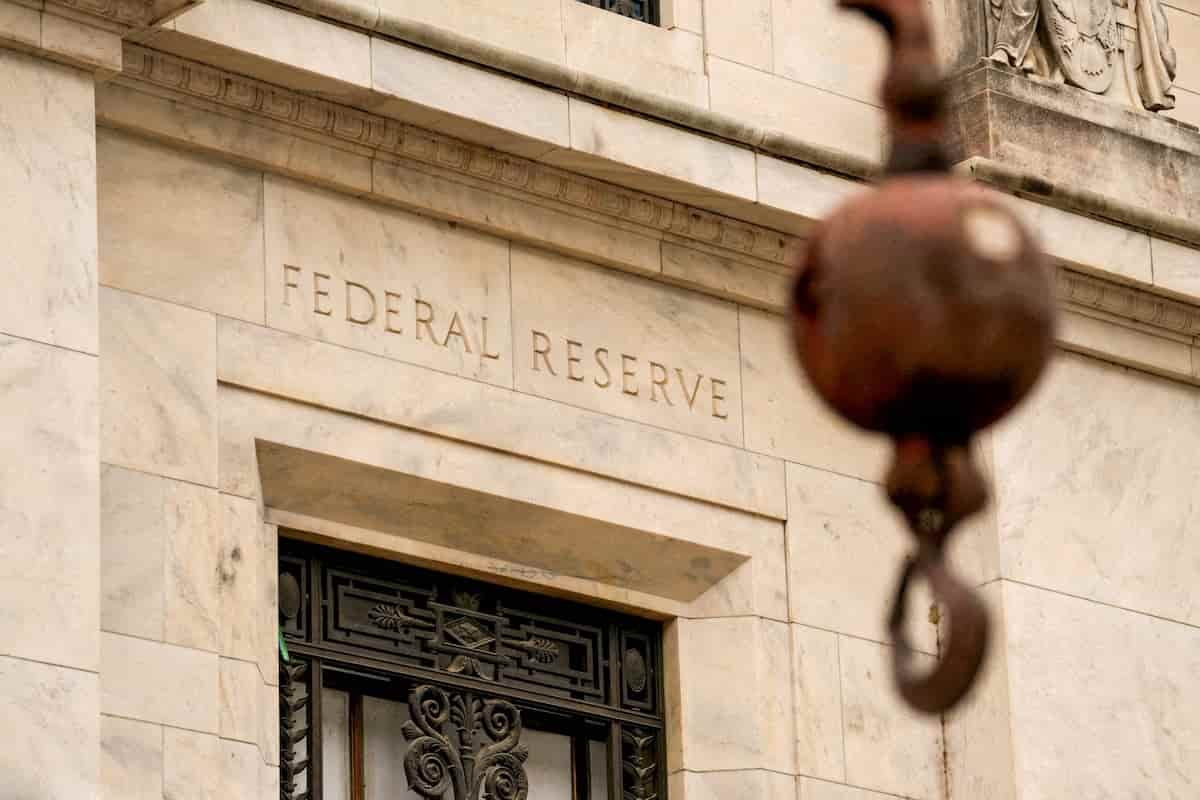
The comments from Fed officials signal a continued hawkish stance aimed at bringing down inflation, suggesting that borrowing costs for consumers and businesses could increase further. This could impact economic growth and investment decisions.
Two Federal Reserve policymakers indicated on Thursday that interest rates may need to rise again to combat unacceptably high inflation. Philadelphia Fed President Anna Paulson stated that modest further tightening might be necessary if conditions evolve as expected, describing inflation as "stubbornly elevated." New York Fed President John Williams also suggested tighter monetary policy is coming, saying another rate hike by year-end is likely.
These comments come just over a week after the Fed raised its benchmark interest rate by a quarter of a percentage point, bringing it to the 3.75-to-4.00-per-cent range, in an effort to curb high inflation. Fed Chairman Kevin Warsh emphasized that the central bank's predominant focus is on price stability, noting that inflation has been too high for too long.
Cleveland Fed President Beth Hammack commented that the U.S. economy shows solid growth and a strong labor market, but inflation remains elevated. She noted that the inflation outlook is uncertain, with risks tilted to the upside, and that persistent high inflation becomes more challenging to address over time. Hammack explained that elevated inflation gives the central bank less room to dismiss transitory factors.
The Personal Consumption Expenditures Price Index was 3.7 per cent year-over-year in July, driven in part by the aftershocks of President Donald Trump's trade tariffs and surging fuel costs related to the US-Israeli war with Iran. Hammack warned that an environment prone to shocks increases the risk of an "inflationary mindset" taking hold.
Pick the topics you care about. Get only what matters, on your cadence.