Key facts
- FDA staff reviewers found no major concerns with Grail's Galleri blood test for detecting over 50 cancers.
- Grail's shares surged 35% on Monday following the FDA staff's findings.
- The FDA will discuss the test's suitability for 'early detection' characterization with external advisers on Wednesday.
- Grail's Galleri test generated $136.8 million in US revenue in 2025.
- Galleri is available on the market under CLIA regulations but lacks FDA approval.
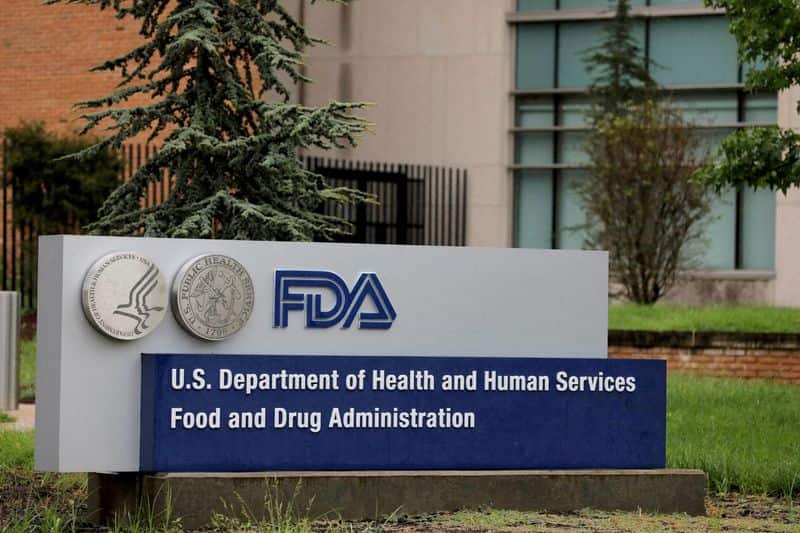
Grail's shares rallied 35% on Monday after US Food and Drug Administration staff reviewers indicated no major concerns regarding the accuracy and safety of its Galleri blood test, which is designed to detect more than 50 types of cancer. The findings will be presented to the FDA's external advisers on Wednesday for discussion as part of Grail's request for premarket approval.
According to briefing documents, the FDA has no outstanding questions for the panel on the test's analytical performance, study design, or primary safety analyses. However, the agency has asked the advisers to consider whether the evidence adequately supports characterizing Galleri as an "early detection" test.
Piper Sandler analyst David Westenberg described the FDA's stance as constructive for Grail and anticipates a favorable vote. Grail's stock had previously fallen more than 20% since February after a three-year UK trial indicated that routine screening with the test did not significantly improve early detection or reduce late-stage diagnoses.
The company filed for FDA approval in January, relying on data from a smaller US trial, the first year of data from the UK trial, and a bridging analysis of an earlier version of the test. Galleri, along with Abbott Laboratories' Cancerguard, is currently available under Clinical Laboratory Improvement Amendments regulations but has not yet received FDA approval. FDA approval is crucial for widespread distribution, physician adoption of guidelines, and routine health insurance coverage.
Multi-cancer early detection tests work by analyzing molecular signals shed by tumors into the bloodstream from a single blood draw. Grail has stated that Galleri is intended to supplement, not replace, existing screenings like mammograms and colonoscopies. The test generated $136.8 million in US revenue in 2025.