Key facts
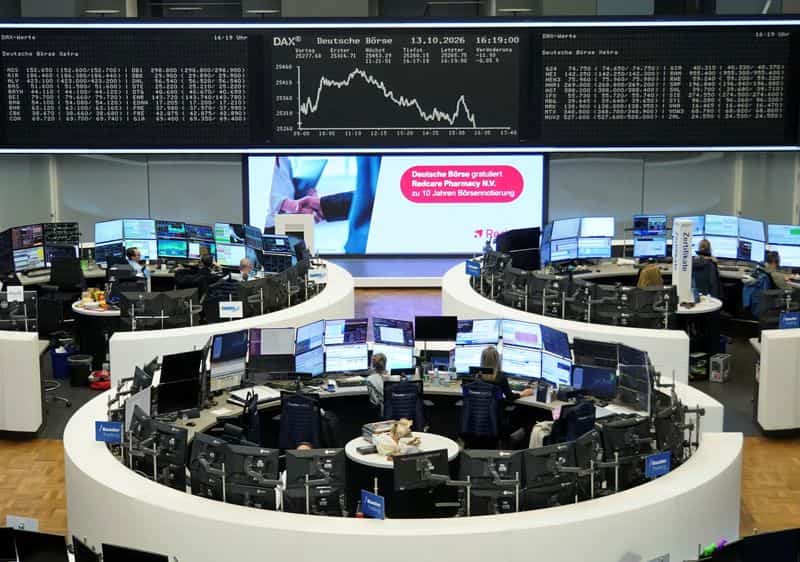
- European stocks rose on Wednesday, with the STOXX 600 up 0.4%.
- ASML shares rose 3% after providing an upbeat outlook.
- Global stocks edged up, with the MSCI All-World index up 0.1%.
- US 10-year Treasury yields dipped 2 basis points to 5.2%.
- US consumer price index data for September is expected to show headline inflation accelerated to an annual 3.6%.
- New York Fed President John Williams indicated the Fed may need to raise its policy rate once more this year.
Global stocks edged higher on Wednesday, with European tech shares leading the advance, supported by an upbeat outlook from Dutch chip equipment maker ASML. The STOXX 600 index rose 0.4%, while the MSCI All-World index gained 0.1%. ASML's shares climbed 3% following its positive forecast.
Investors maintained a cautious stance ahead of the release of US consumer price index data for September, which is expected to show an acceleration in inflation due to rising energy costs. Economists forecast headline inflation at 3.6% year-on-year, with core CPI rising 0.2% monthly. Money markets are pricing in a roughly 20% chance of a Federal Reserve rate hike later in the month and a near 100% chance of a rise in December.
New York Fed President John Williams stated that the Fed might need to raise its policy rate once more this year to curb inflation, though he sees no need for hikes in 2027. Senior rates strategist Eugene Leow at DBS noted that moderation in job creation might lead to a pause this month, suggesting inflation data would need to be significantly higher to alter hiking odds.
Government bonds experienced some relief, with the yield on benchmark 10-year Treasury notes dipping 2 basis points to 5.2%. This respite comes amid concerns over geopolitical tensions in the Strait of Hormuz, which have pushed oil prices higher, and the ongoing impact of elevated energy prices on global interest rate expectations.
In Asia, chipmakers Samsung Electronics and SK Hynix closed up, contributing to a recovery in regional markets. Meanwhile, Chinese data indicated producer prices rose at their fastest pace in over four years, while consumer inflation edged up, though weak domestic demand kept broader price pressures contained.