Key facts
- European allies have increased their contributions to NATO's crisis response forces.
- The U.S. is reducing its provision of certain military capabilities to NATO.
- NATO Secretary General Mark Rutte will visit Washington to ease tensions before the July summit.
- Restoring freedom of navigation through the Strait of Hormuz will be a key discussion point.
- Allies are expected to pledge further increases in defense spending and weapons production at the summit.
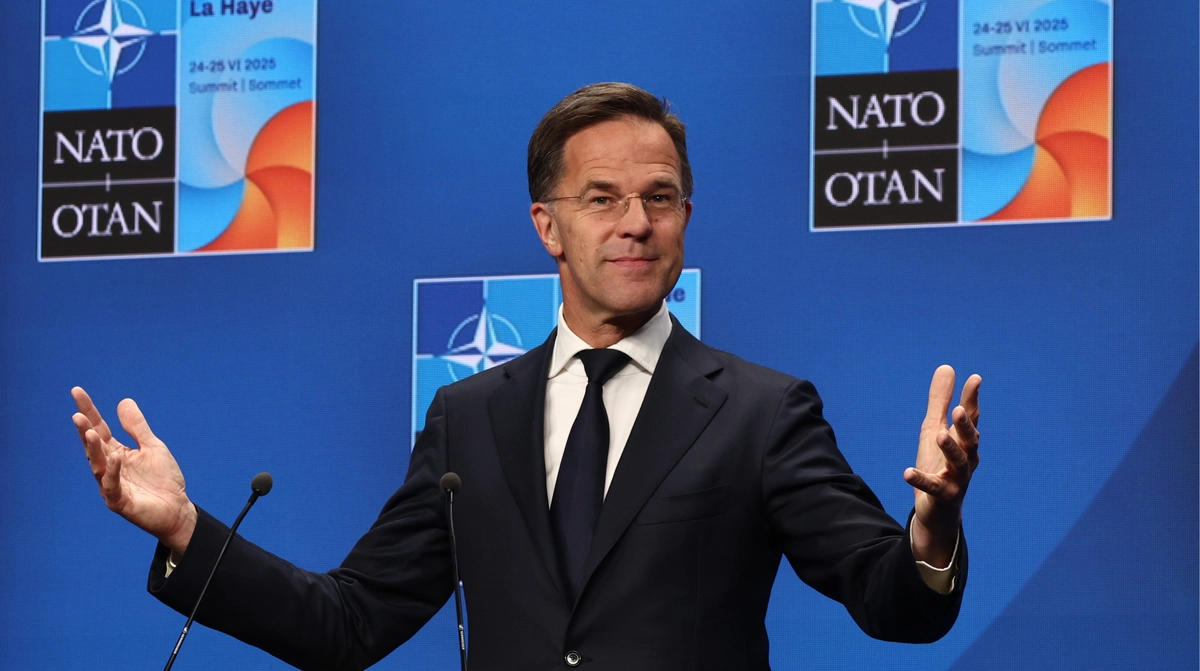
European allies have increased their contributions to NATO's crisis response forces to compensate for U.S. cuts, NATO Secretary General Mark Rutte has stated. The U.S. has informed allies it intends to scale back its provision of certain military capabilities to the alliance, including long-range strike aircraft and fighter jets. Rutte noted that while more work is needed, the overall picture is positive, and he heard encouraging comments from allies regarding support for Ukraine. U.S. Air Force General Alexus Grynkewich indicated that Washington expects European allies and Canada to bolster their commitments of aircraft and ships to NATO's defense plans. Specific U.S. reductions include a one-third decrease in F-15 fighter jets, a halving of Reaper drones, fewer refuelling aircraft, and a reduction in strategic bombers. Rutte is scheduled to visit Washington next week to smooth over transatlantic tensions ahead of NATO's annual summit in Ankara in July. Discussions are expected to focus on restoring freedom of navigation through the Strait of Hormuz following the US-Iran agreement to end hostilities. Relations between the US and its NATO allies have been strained after President Donald Trump accused European nations of abandoning the US during its conflict with Iran. Trump was particularly angered by some NATO countries' initial refusal to allow US forces access to bases in Europe for refuelling and other operations linked to the conflict. He responded by reducing the US military presence in Germany and publicly rebuking allies he felt had failed to support the campaign. The US-Iran agreement is seen as reducing the risk of the July summit turning into a confrontation between Trump and European leaders. Allies are expected to pledge further increases in defence spending and a significant expansion of weapons production at the summit, with Rutte expressing frustration over a lack of progress in some capitals regarding defense investment.