Fortune's 2025 ranking of Europe's 500 largest companies shows women leading only 7.6% of businesses. The 2026 Most Powerful Women list features 20 European women, primarily in banking, energy, and telecommunications, often with finance backgrounds and long careers within large organizations.

The limited representation of women in top European corporate roles, as highlighted by Fortune's rankings, suggests a slower pace of gender equality in business leadership compared to other regions. This can impact corporate culture, decision-making, and potentially investor confidence.
Fortune's 2026 ranking of the world's most influential female business leaders highlights a persistent gender gap in corporate leadership across Europe. Out of the 500 largest businesses on the continent, only 7.6% had female chief executives in 2025, according to Fortune's data. The 2026 Most Powerful Women list features 20 women based in Europe, with France and the U.K. each having six.
These influential women often lead established companies that form the core of Europe's economy, including banks, energy groups, and telecommunications operators, rather than newer tech firms. A finance background is a common path to leadership, with seven women on the list having held senior finance roles, emphasizing the value placed on capital allocation and operational discipline by European companies.
Many of these leaders built their careers over decades within large multinational organizations, demonstrating deep institutional expertise rather than founding new ventures. Their success is marked by significant achievements, such as overseeing hundreds of billions of euros in annual revenue and leading institutions for the first time as women. However, the continued prevalence of "firsts" indicates that Europe still has progress to make in achieving gender equality in corporate leadership.
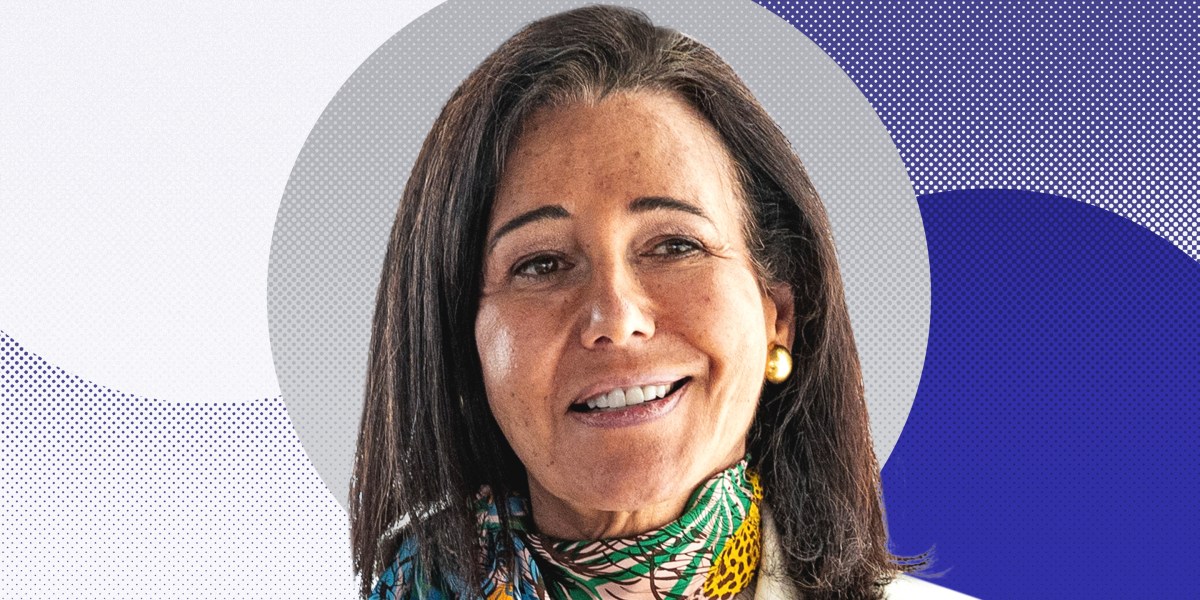
Ana Botín, CEO of Banco Santander for over a decade, has navigated the bank through low interest rates and technological changes, expanding its global presence. Her tenure includes major deals like the acquisition of TSB in the U.K. and Webster Financial in the U.S., alongside initiatives supporting innovation and digital technologies.
Meg O’Neil, an engineer by training, became BP's first female CEO in its 116-year history. Previously CEO of Woodside Energy, she led the merger with BHP's petroleum division. O’Neil is now responsible for improving BP's performance and steering its strategy.
Pick the topics you care about. Get only what matters, on your cadence.