Key facts
- EU sanctions target Research and Production Corporation Uralvagonzavod, Russia's sole tank manufacturer.
- Concern Uralvagonzavod, the operational management entity for the tank plant, is not on EU sanctions lists.
- EU sanctions prohibit making funds or economic resources available to listed entities.
- Russian companies can withhold ownership data, hindering EU sanctions enforcement.
- Chelyabinsk Tractor Plant–Uraltrak, a key engine producer for Russian tanks, is not sanctioned by the EU.
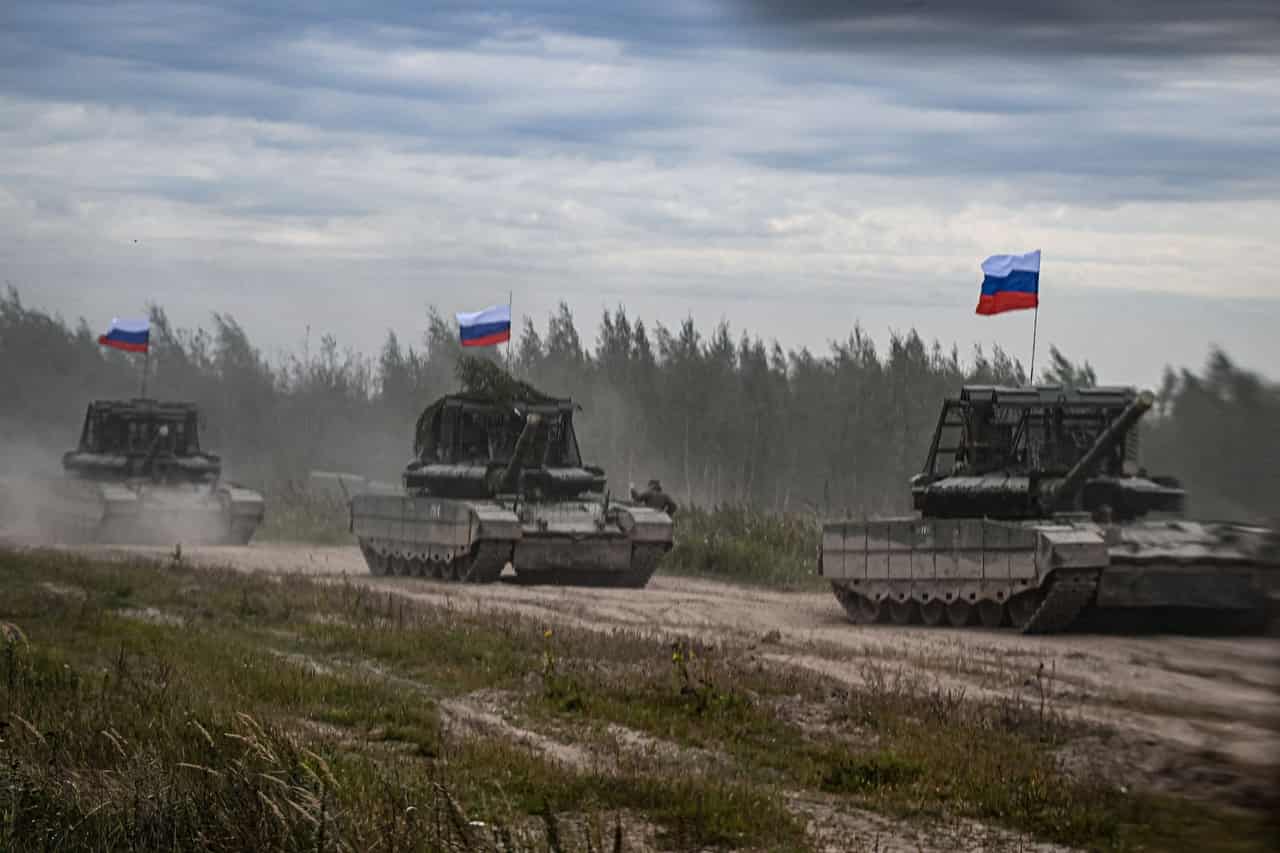
The European Union's sanctions against Russia have created a loophole by failing to explicitly sanction the management entity of Russia's sole tank manufacturer, Concern Uralvagonzavod. While the factory itself, Research and Production Corporation Uralvagonzavod, has been under EU sanctions since March 2022 for supplying tanks used in Ukraine, the company that runs it remains off the EU's sanctions lists. This oversight allows for potential financial and supply chain engagement with the entity responsible for operating the tank production.
The EU's sanctions regime aims to freeze assets and bar EU entities from providing funds or economic resources to sanctioned companies. These prohibitions are intended to extend to entities owned or controlled by a listed person or company, with a 50% or more stake generally considered ownership. However, the effectiveness of these rules is hampered when the operating company is not directly listed.
Adding to the complexity, Russian companies can withhold ownership data, making it difficult for European entities to conduct the necessary ownership tests to determine if a company is controlled by a sanctioned entity. The Court of Justice of the European Union confirmed in March 2026 that a 50% stake creates a presumption of ownership or control, but this rule is built to reach downwards, not necessarily to cover management companies.
Ukraine's military intelligence has identified Chelyabinsk Tractor Plant–Uraltrak as a primary producer of engines for key Russian tanks, yet this entity is also not on EU sanctions lists. This situation highlights a broader issue within the EU's sanctions framework, where a significant percentage of Rostec-affiliated entities, including critical defense subsidiaries, remain unsanctioned.
To address these gaps, it is proposed that the EU should publish known ownership and control assessments of unlisted entities linked to sanctioned companies, list management companies like Concern Uralvagonzavod directly, and prioritize sanctioning defense-critical subsidiaries that are currently missing from the lists.