Key facts
- EU countries paid approximately $6.82 billion for Russian Yamal LNG in the first half of 2026.
- Imports of Russian Yamal LNG by the EU increased by 16% year-on-year in H1 2026.
- European buyers took over 97% of the Yamal facility's output during the first half of 2026.
- The EU plans a complete ban on Russian LNG imports effective January 1, 2027.
- Supply chain disruptions in the Middle East contributed to increased reliance on Russian LNG.
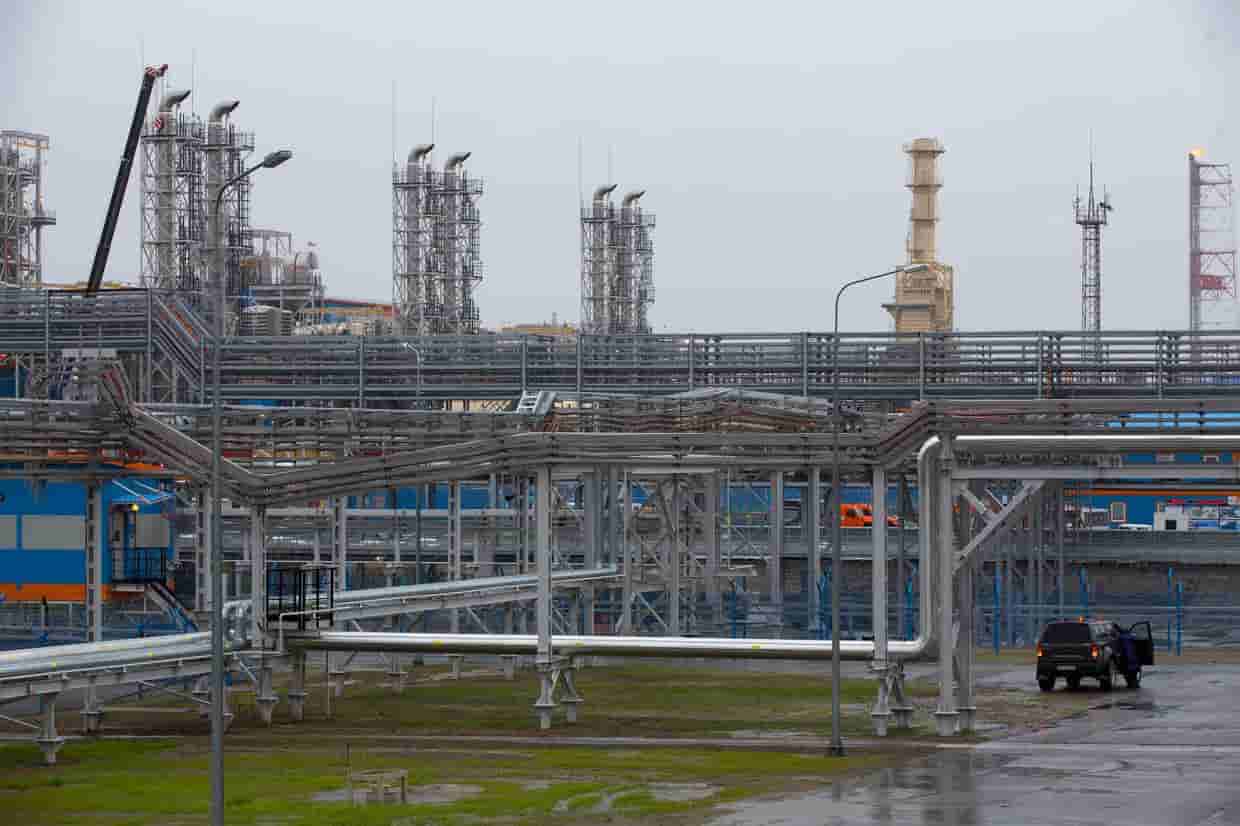
European Union nations significantly increased their purchases of Russian liquefied natural gas (LNG) from the Yamal facility in the first half of 2026, acquiring a record 9.97 million metric tons valued at approximately $6.82 billion. This represents a 16% volume increase compared to the same period in 2025, as European buyers absorbed over 97% of the Siberian facility's output. The surge in imports comes despite the EU's planned comprehensive ban on Russian LNG, set to take effect on January 1, 2027.
Overall imports of Russian LNG into the EU rose by 11% year-on-year during the first half of 2026, while pipeline gas imports saw an 11% increase. This heightened reliance on Russian energy is partly attributed to supply bottlenecks in the Middle East, including disruptions in the Strait of Hormuz and damage to Qatari infrastructure, which pushed European buyers towards readily available Arctic gas.
While a ban on short-term Russian LNG imports was enacted on April 25, 2026, exemptions within the regulation have allowed for continued or accelerated intake. Pipeline gas imports under legacy contracts have varying phase-out dates, with long-term contracts legally permitted until September 30, 2027. France, Belgium, and Spain are identified as the largest buyers of Yamal LNG, while Hungary is the primary recipient of Russian pipeline gas via the TurkStream pipeline.
In related energy news, Hungary and Slovakia continue to receive Russian crude oil via the Druzhba pipeline under temporary exemptions from the EU embargo. Following a disruption caused by a Russian airstrike damaging the pipeline, both nations have agreed to construct a new pipeline to transport refined oil products between their refineries.