Key facts
- Russia exploited an EU sanctions loophole to unfreeze $3 billion in assets via Euroclear.
- Euroclear compensated customers whose cash was purchased in Russia, following EU regulation 269/2014 Article 5.
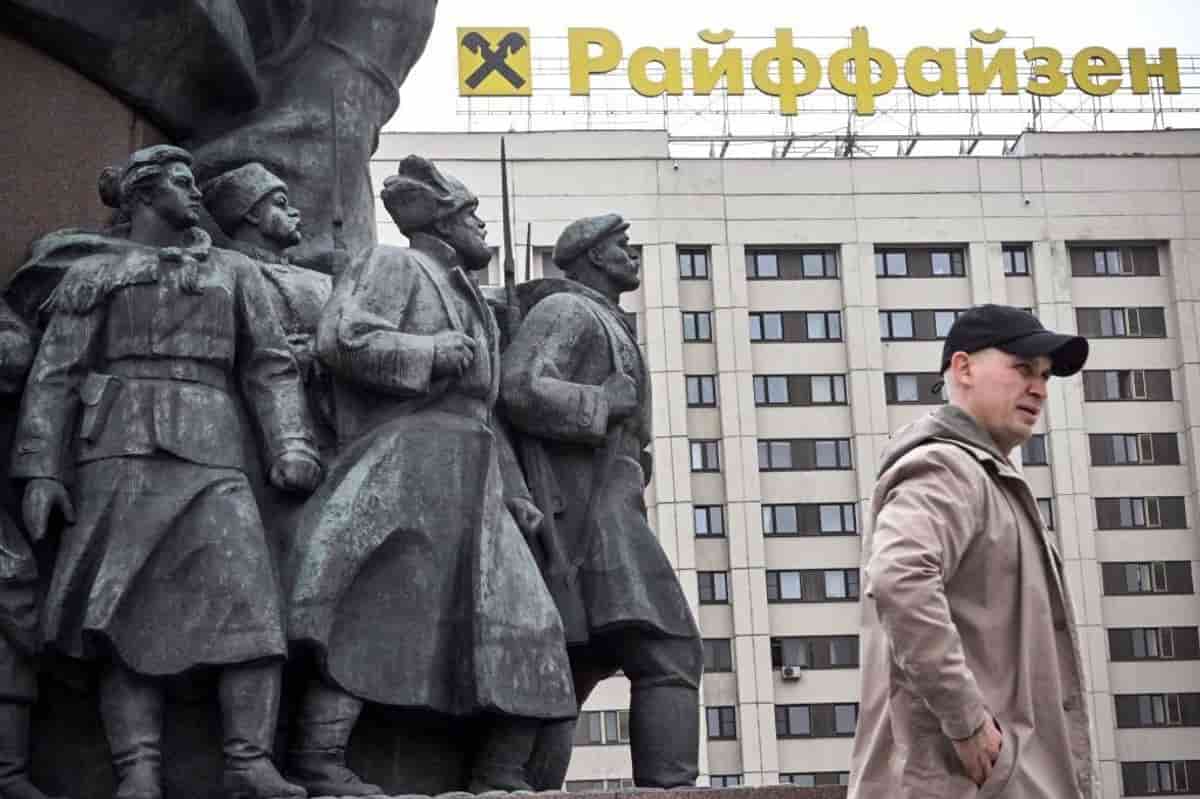
- Austria's Raiffeisen Bank may seek to unfreeze assets after a court ruling related to a $2.4 billion expropriation.
- Oleg Deripaska is linked to Rasperia, the investment company that received Raiffeisen's expropriated Russian assets.
- Human rights campaigners allege Raiffeisen's Russian operations have aided sanctioned entities in evading restrictions.
Russia has reportedly exploited a loophole in European Union sanctions to unfreeze approximately $3 billion in assets held by Euroclear, Belgium's central securities depository. The maneuver, detailed in a report by Belgian media outlet Apache, involves compensating Russian investors whose assets were frozen by Western restrictions.
According to the report, Russia's National Settlement Depository (NSD) seized $3 billion from European nationals' bank accounts to compensate Russian investors, following an order from President Vladimir Putin. Beneficiaries reportedly include politician Efim Malkin and MTS Bank, PJSC Rosbank, and Leader Asset Management CJSC.
Euroclear stated that Belgium authorized them to debit sanctioned Russian accounts to compensate customers, in line with EU regulation 269/2014. Article 5 of this regulation permits EU countries to unfreeze assets under certain circumstances.
Austria's Raiffeisen Bank is reportedly poised to undertake a similar action after winning a court case in Vienna. Russia expropriated 2.1 billion euros ($2.4 billion) of Raiffeisen's assets in January 2026 and awarded them to Rasperia, an investment company linked to sanctioned oligarch Oleg Deripaska. Following the court ruling, Rasperia has four weeks to appeal, after which Raiffeisen can request Austrian authorities to refund it using Rasperia's frozen EU assets.
A European Commission spokesperson confirmed that Raiffeisen may request authorization to release frozen assets once the Vienna court's judgment is final and enforceable, citing the same Article 5. However, human rights campaigners at Bank Track have called for an investigation into allegations that Raiffeisen's Russian operations have assisted sanctioned entities in evading restrictions, urging Austrian authorities not to authorize the unfreezing of shares during the investigation.