Key facts
- Czech President Petr Pavel and Prime Minister Andrej Babis are clashing over leadership of the country's delegation at the upcoming NATO summit.
- The Czech Constitutional Court issued an injunction compelling the government to allow President Pavel to attend the summit.
- Prime Minister Babis insists he will lead the delegation and attend the main meetings.
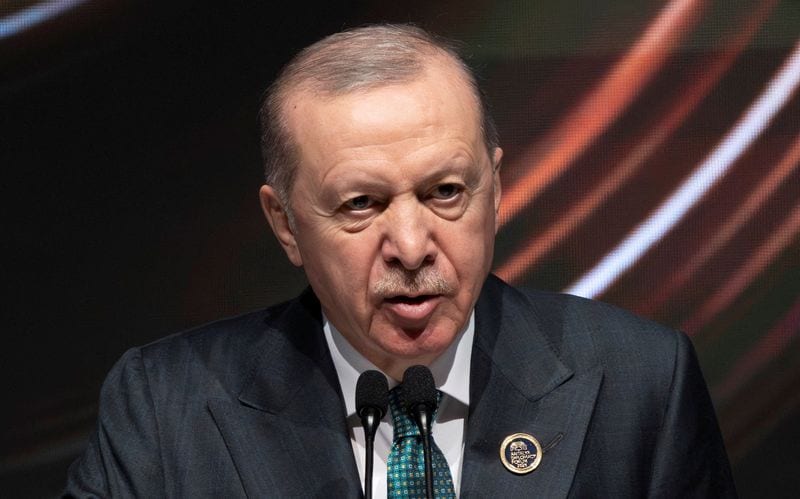
- Turkish President Tayyip Erdogan stated the summit must emphasize alliance unity and resilience and called for lifting defense trade restrictions.
- The summit, hosted by Turkey, will take place on July 7-8 and will include leaders from NATO, the Gulf, and Asia-Pacific.
Turkish President Tayyip Erdogan stated that the upcoming NATO summit in Ankara, scheduled for July 7-8, must emphasize alliance unity and resilience, and called for the lifting of defense trade restrictions. Turkish Defence Minister Yasar Guler added that NATO is adjusting to a shifting security landscape and the United States is not seeking to leave the alliance, but wants European allies to assume more responsibility.
Meanwhile, a dispute has emerged within the Czech government regarding representation at the summit. President Petr Pavel, a former NATO general and advocate for increased defense spending and aid to Ukraine, has been keen to attend. However, the government led by Prime Minister Andrej Babis has sought to sideline him, citing differing views on defense aid to Ukraine and the country's failure to meet NATO's defense spending targets. The Czech Constitutional Court issued an injunction compelling the government to allow Pavel to attend, but the government insists Babis will lead the delegation and attend the main meetings. Pavel maintains that as head of state, he should lead the delegation, following past custom.
The summit will focus on bloc unity, evaluating allies' increased defense spending, bolstering defense industry cooperation, and increasing support for Ukraine.