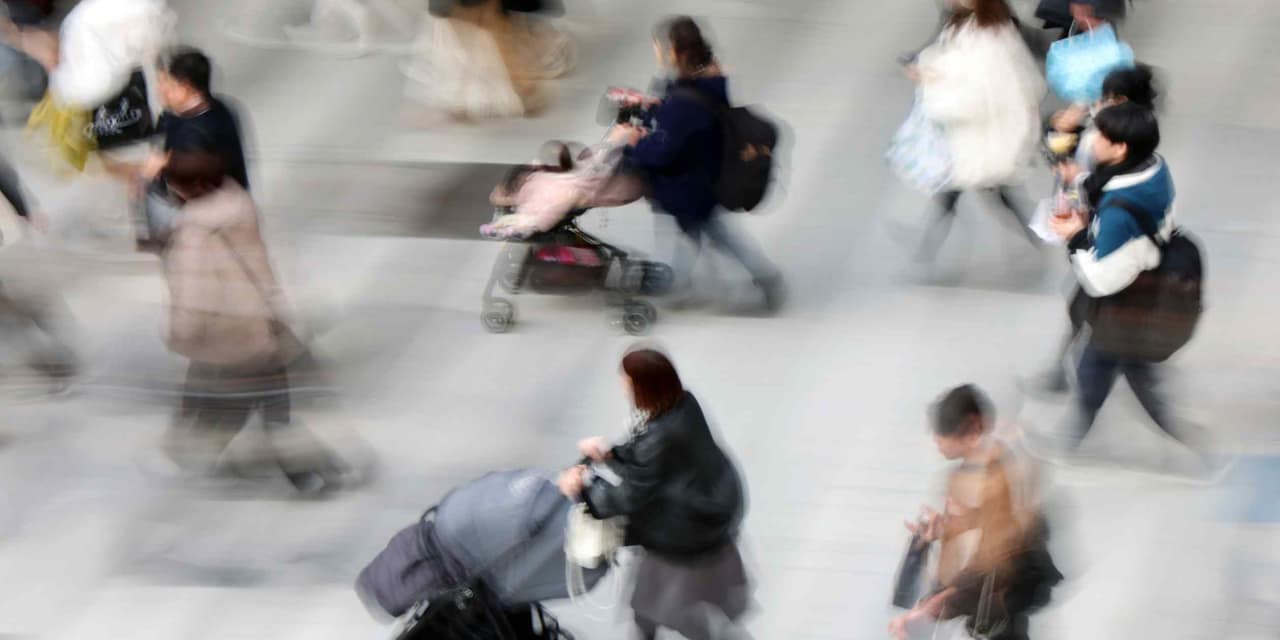
Japan's population continues to age rapidly, with elderly residents now outnumbering young children in almost every prefecture, according to the latest census data. This demographic shift presents significant challenges for the nation's labor force, public finances, and healthcare system.

Japan's rapidly aging population and declining birthrate pose significant economic and social challenges, including a shrinking labor force, increased healthcare and pension costs, and potential strain on public finances.
The demographic landscape of Japan is shifting dramatically, with elderly residents now outnumbering young children in nearly all of its prefectures. This trend underscores the nation's ongoing struggle with a graying population and declining birthrates.
According to the latest census data, the proportion of old people (aged 65 or older) in Japan accounts for 17.3% of the total population, numbering over 22 million. In contrast, young people under the age of 15 comprise only 14.6% of the population, totaling approximately 18.5 million. This marks the lowest figure for the youth demographic since census records began. Furthermore, the population of working-age individuals (15-64) has seen its first decline since census taking started, decreasing by 1.1% since 1995.
Government figures from October 1, 2021, indicated a population of 125,502,000, a decrease of 644,000 from the previous year. This decline was attributed to 609,000 more deaths than births and a net emigration of 35,000 people. The Ministry of Internal Affairs and Communications noted that the population has decreased for 11 consecutive years, with all prefectures except Okinawa experiencing a decline. In 2020, Japan recorded 840,832 births, the lowest number since 1899, and by 2021, birthrates had fallen to approximately 805,000, a level not expected until 2028.
Experts view Japan as a critical case study for other nations facing similar demographic challenges, particularly concerning stringent immigration policies, a growing elderly population, and a shrinking labor market. The increasing number of retirees places pressure on the labor force to fund pensions, while the shift towards more labor-intensive service sectors for elder care strains public finances, exacerbating Japan's already high public debt.
Pick the topics you care about. Get only what matters, on your cadence.