Key facts
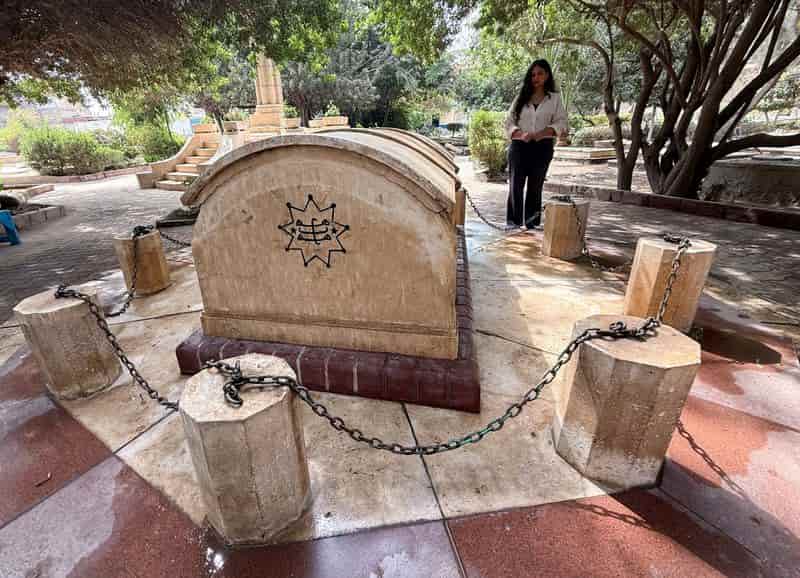
- Egypt's Baha'i community faces a critical shortage of burial space.
- The community's last cemetery in Cairo is nearly full.
- Requests for new burial grounds in Alexandria and Port Said have been rejected.
- Baha'i marriages are often not officially recognized, leading to issues with inheritance, pensions, and insurance.
- A court ruling that recognized a Baha'i marriage was overturned by a higher court.
Egypt's Baha'i minority is facing a critical shortage of burial space, with their last remaining cemetery in Cairo nearing capacity. This scarcity symbolizes the broader bureaucratic obstacles the community encounters in daily life, from school enrollment to marriage registration and pensions.
The Baha'i faith, which originated in Iran in the 19th century and has an estimated few thousand adherents in Egypt, is not officially recognized by mainstream Islamic scholars, despite the constitution guaranteeing religious freedom. Baha'i practices require burial within an hour of death, posing logistical challenges, especially as burial grounds in Alexandria and Port Said, where many Baha'is live, have been filled or reassigned over the years. Community members report that requests for new burial sites in these cities have been rejected without clear explanations.
Marina Samir, who leads the Egyptian Initiative for Personal Rights' (EIPR) work on freedom of religion and belief, stated that death has become a logistical process rather than a time for grieving. While Egypt's government information agency and the governorates of Alexandria and Port Said did not respond to requests for comment, the government previously told the UN that it does not restrict religious affiliation and has sufficient burial sites.
Beyond burial issues, Baha'is face difficulties in having their marriages officially recognized. A 2009 court ruling allowed individuals not following Islam, Christianity, or Judaism to leave a dash in the religion field on identity documents, but Baha'i marriages often remain unregistered. This leads to complications in child registration, inheritance, pensions, and health insurance. Hanan Kamal El-Din, married for 45 years, still has her identity card stating she is single. While she won an individual court ruling recognizing her marriage in 2020, it was overturned by a higher court in January, causing fear among other couples. Ahmed Helmy also faced issues with his marriage registration, with his wife being removed from his family's digital services account, raising concerns about inheritance and insurance.