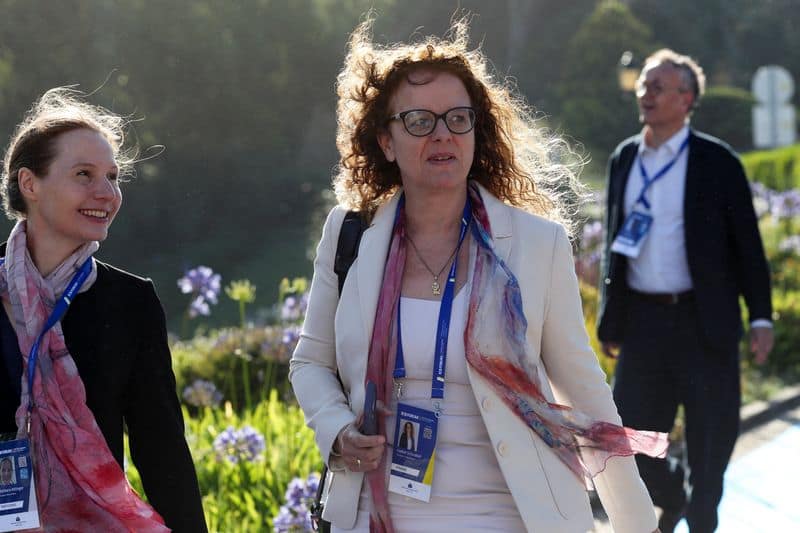
European Central Bank board member Isabel Schnabel is reportedly in discussions with the International Monetary Fund for a senior role and might depart the ECB before her term concludes in 2027, according to Handelsblatt.

Isabel Schnabel's potential departure from the ECB could signal a significant shift in the central bank's leadership and policy direction, potentially impacting future monetary policy decisions and the balance of power within the institution.
European Central Bank board member Isabel Schnabel is reportedly in discussions with the International Monetary Fund (IMF) for a senior role and may leave the ECB before her term concludes in 2027, according to German newspaper Handelsblatt. Schnabel, who heads the ECB's market operations, is being considered for the position of head of the IMF's Monetary and Capital Markets Department, which has been vacant since the beginning of the month. An ECB spokesperson and the IMF both declined to comment on the report.
Schnabel's potential early departure could hasten a reshuffle of the ECB's board, as other key positions are also becoming vacant. Chief economist Philip Lane is slated to leave in May, and President Christine Lagarde's term ends in October, with persistent rumors suggesting she might also depart early. Schnabel's exit would likely diminish her prospects of becoming the next ECB president, a possibility that has reportedly not gained significant traction in Berlin.
While all euro zone countries can nominate candidates for these roles, larger economies like Germany and France typically hold significant influence over ECB board appointments. Spain has also asserted a claim for a board seat, suggesting these major economies might divide the three upcoming positions. However, these plans could be complicated if leaders opt for former Dutch central bank chief Klaas Knot to replace Lagarde. The Netherlands already has a board seat, and it is customary for a member to resign if a compatriot is appointed president. Although ECB seats are usually decided individually, the proximity of these vacancies raises the possibility of a package deal involving typical political negotiations for top EU positions.