Key facts
- Euro zone inflation rose to 3.8% in September, up from 3.2% in August.
- Core inflation, excluding food and energy, increased to 2.5% from 2.4%.
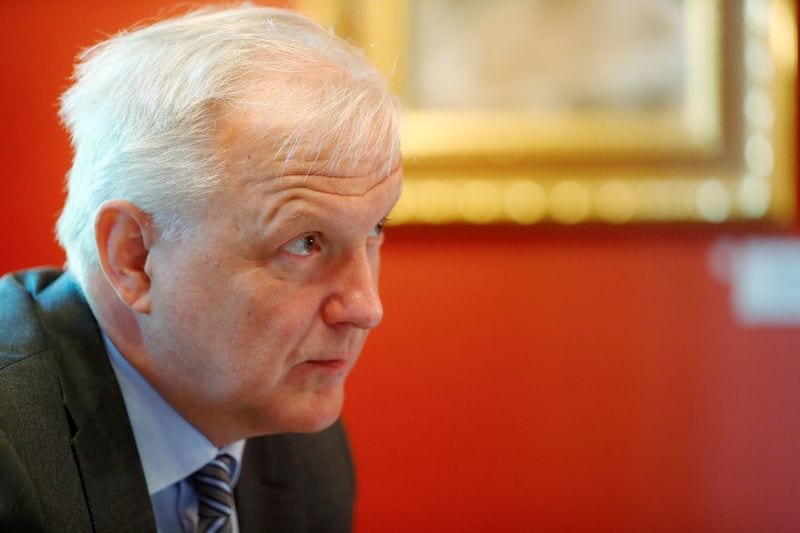
- ECB policymaker Olli Rehn said rising yields may limit the inflation impact of high energy prices.
- The 10-year German borrowing cost is at a 17-year high of 3.57%.
- A similar US Treasury bond yields 5.32%.
Euro zone inflation surged to 3.8% in September, exceeding expectations and nearing 4% by year-end, European Central Bank policymaker Olli Rehn said. He noted that while high energy costs are pushing inflation up, rising borrowing costs are expected to limit the pass-through of these price shocks to the broader economy.
Inflation in the 21 nations sharing the euro currency jumped from 3.2% in August, driven primarily by fuel and natural gas costs, with a smaller contribution from food. The closely watched 'core' inflation figure, which excludes volatile food and fuel prices, picked up to 2.5% from 2.4%, on a rise in services prices, according to data from Eurostat.
These figures are likely to bolster calls for further interest rate hikes by the ECB, which has already raised rates twice this summer. Investors anticipate up to three more hikes in the ECB's 2.5% deposit rate in the coming year, though a move this month is seen as unlikely, with the next increase fully priced in for January.
However, policymakers acknowledge significant uncertainty in their projections. Some argue that persistent high energy costs will inevitably lead to second-round effects, impacting core prices more quickly. Others suggest that a relatively soft labor market and rising longer-term borrowing costs will curtail price growth.
Borrowing costs have soared globally, partly due to rising US yields influenced by concerns over fiscal policy. The 10-year German borrowing cost is at a 17-year high of 3.57%, while a similar US Treasury yields 5.32%. The spread on French debt over German bonds has also reached multi-decade highs, raising debt sustainability questions.
Economists suggest the ECB may opt to remain on the sidelines for now to avoid adding to market turbulence, especially as current inflation trends do not necessitate urgent action. Rehn also cautioned about high valuations in AI-related technology, warning of potential sharp corrections.