
Key facts
- The US dollar index reached 102.09, its highest level since April 2025.
- US 10-year Treasury yields hit a high of 5.344% before settling at 5.2575%.
- The euro fell to $1.1235, its lowest level since May 2025.
- Annual core inflation in Tokyo accelerated to 2.7% in September.
- Brent crude futures remained above $102 a barrel.
- The dollar index is set for its third consecutive weekly gain, up 1.1%.
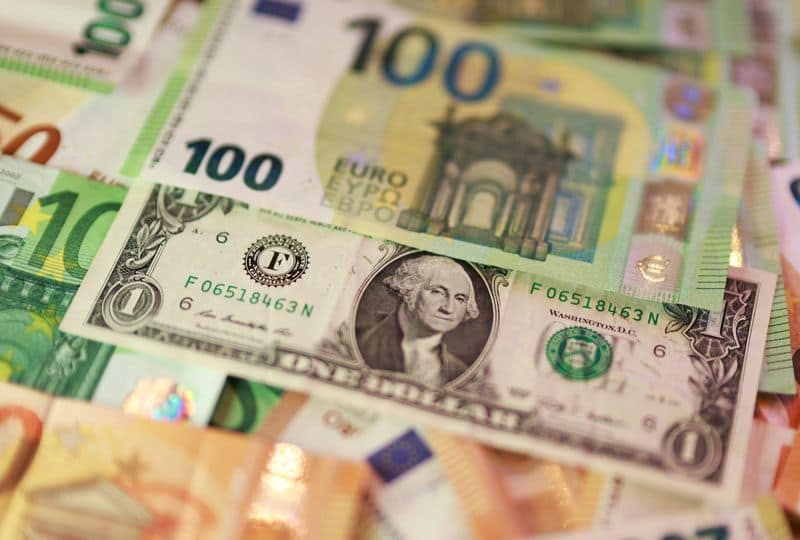
The US dollar strengthened to a 17-month high on Friday, driven by a global bond sell-off and concerns over inflation fueled by higher oil prices. Benchmark US 10-year Treasury yields reached their highest level since 2002, trading at 5.344% before easing to 5.2575% on Friday. The euro weakened to $1.1235, its lowest point since May 2025, weighed down by worries about France's fiscal health.
Asian shares fell as investors grappled with volatility in bond and currency markets ahead of key US jobs data. The MSCI's broadest index of Asia-Pacific shares outside Japan declined 0.5%. Japan's Nikkei dropped 0.7% but was set for a weekly gain.
Analysts noted a challenging mix of persistent inflation, significant government borrowing, and substantial bond supply. Chris Weston, head of research at Pepperstone, suggested that a strong wages print in the upcoming US nonfarm payrolls report could significantly influence US interest rates, Treasuries, and the dollar. Markets currently price in a 25% probability of a Federal Reserve rate hike in October, a sharp decrease from a week ago, though a December hike is still fully priced in.
Oil prices remained firm, with US West Texas Intermediate crude futures steady at $92.84 a barrel after finishing nearly 3% higher overnight. Brent crude futures held above $102 a barrel. Underlying inflation in Japan's capital accelerated to an annual rate of 2.7% in September, bolstering the case for further interest rate hikes.