Key facts
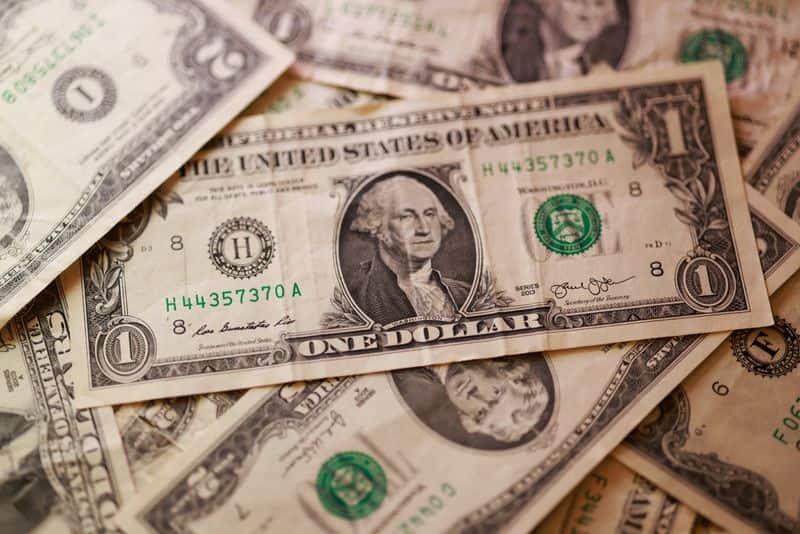
- The U.S. dollar reached a 13-month high against a basket of major currencies.
- Global stock markets, particularly in technology, experienced a broad selloff.
- Expectations for Federal Reserve rate hikes have increased, with a hike potentially as soon as October.
- The euro fell below $1.1325, and the yen neared historic lows against the dollar.
- Gold prices dropped below $4,000 an ounce, and bitcoin briefly traded under $60,000.
The U.S. dollar surged to a 13-month high, driven by expectations of Federal Reserve rate hikes and a broad selloff in global equities, particularly in technology sectors. The dollar index, measuring its strength against a basket of six major currencies, reached 101.8. This dollar strength pushed gold prices below $4,000 an ounce for the first time in over seven months and briefly sent bitcoin under $60,000.
Traders are pricing in a strong possibility of a U.S. rate hike as soon as October, influenced by geopolitical tensions and hawkish commentary from Federal Reserve officials. This contrasts with earlier expectations of rate cuts. The yield on 2-year U.S. Treasuries has risen significantly, widening the gap with German yields.
The euro weakened to below $1.1325 against the dollar, while the Japanese yen is trading near its highest level in over four decades. The Australian and New Zealand dollars also faced pressure due to their sensitivity to global risk sentiment.
Upcoming U.S. inflation data, specifically the core personal consumption expenditures index, will be closely watched for further clues on the Federal Reserve's monetary policy path. While oil prices have fallen, potentially easing inflation, the short-term demand for dollars from corporations is expected to persist.