Key facts
- The dollar index rose 0.21% to 99.13, reaching its highest level since August 19.
- July PCE inflation increased 3.7% year-on-year and 0.2% month-on-month, slightly above estimates.
- Oil prices, including Brent crude, declined amid talks between Iran and Oman regarding the Strait of Hormuz.
- Markets are pricing in an 87% chance of a Bank of Japan rate hike next month.
- Bitcoin and Ether saw modest gains.
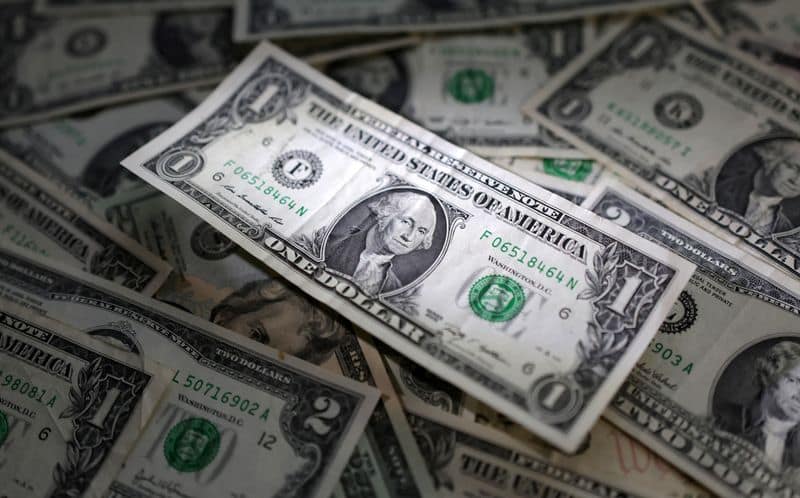
The U.S. dollar strengthened, nearing an eight-day high, as slightly hotter-than-expected inflation data for July bolstered expectations of a potential Federal Reserve rate hike. The Personal Consumption Expenditures (PCE) Price Index rose 3.7% year-on-year and 0.2% month-on-month, exceeding economists' forecasts. This data kept alive the possibility of a Fed rate increase by year-end, with markets closely watching Fed Chair Kevin Warsh's upcoming speech at the Jackson Hole symposium.
In parallel, oil prices saw a decline. Brent crude futures fell as diplomatic discussions between Iran and Oman concerning the Strait of Hormuz offered hopes for de-escalation, easing geopolitical concerns that had previously supported energy markets. This development contributed to calmer conditions in bond markets ahead of key economic events.
Meanwhile, the Bank of Japan's Deputy Governor Ryozo Himino is set to speak, with markets anticipating any signals regarding a potential September rate hike. Money markets are currently pricing in an 87% probability of such an increase. In cryptocurrencies, Bitcoin and Ether experienced modest gains.